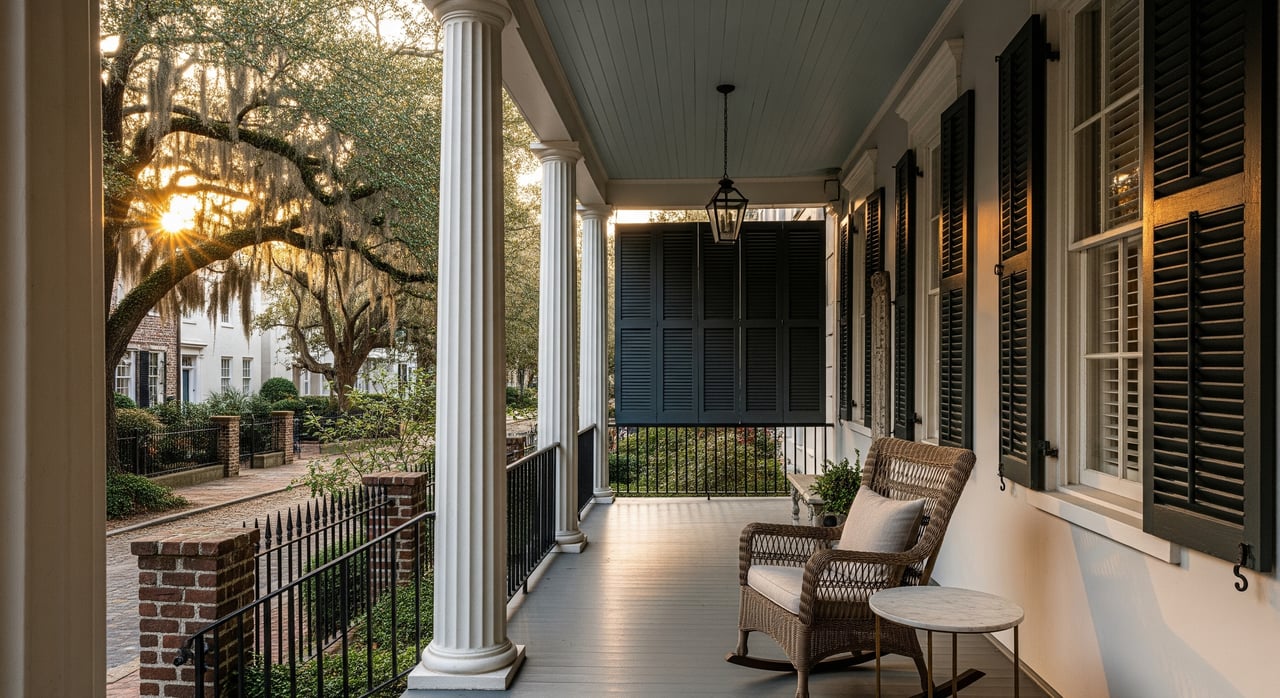
Is a Charleston piazza just a fancy front porch? Not quite. If you have spent time walking Downtown, you have seen those long, elegant porches tucked along the side of historic homes, catching the breeze and framing daily life. If you are buying or selling here, understanding what a piazza is, why it is oriented the way it is, and how to care for it can make a real difference. This guide breaks it all down so you can evaluate value, comfort, and preservation like a local. Let’s dive in.
What a Charleston piazza is
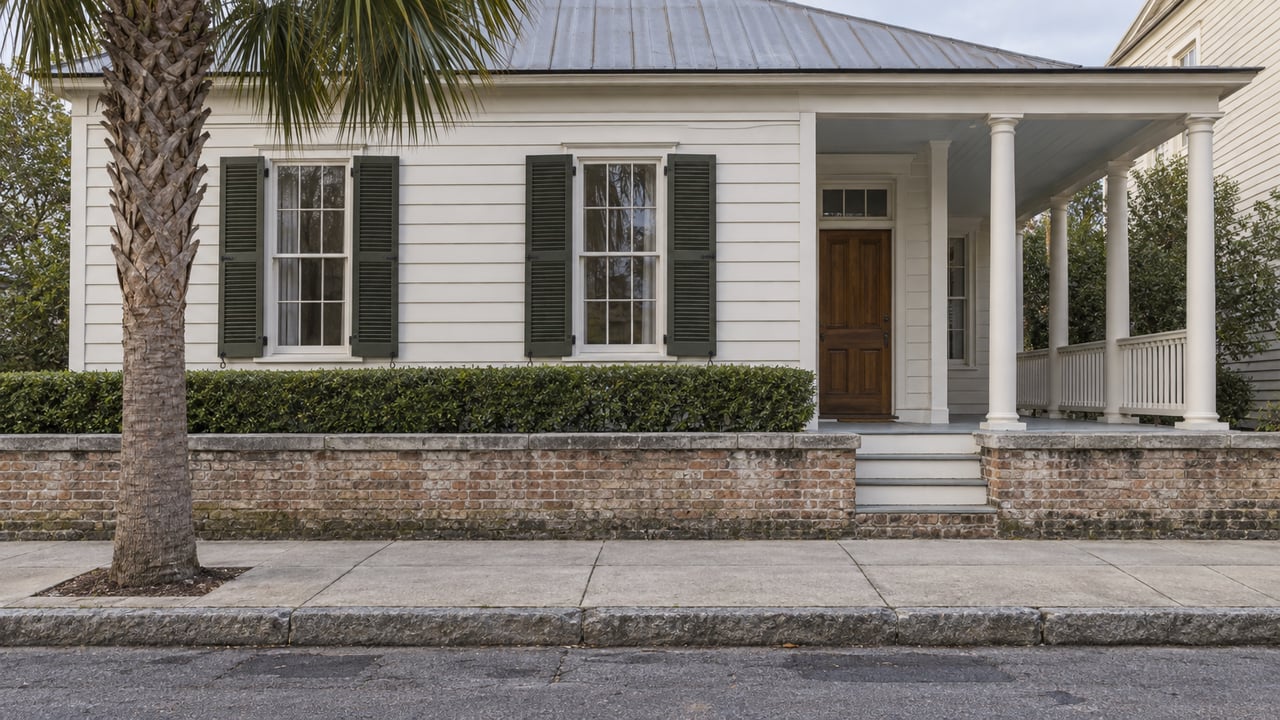
A Charleston piazza is a covered side porch that runs along the long side of a house, most often the classic Charleston Single House. It is not a small stoop. It is a semi‑enclosed outdoor living space that connects rooms, supports ventilation, and extends how you use the home.
The long side of the single house sits perpendicular to the street, which is why the piazza feels private even when it is visible. Many historic homes feature one, two, or even three stacked piazzas, creating shaded outdoor rooms on multiple levels.
Signature architectural features
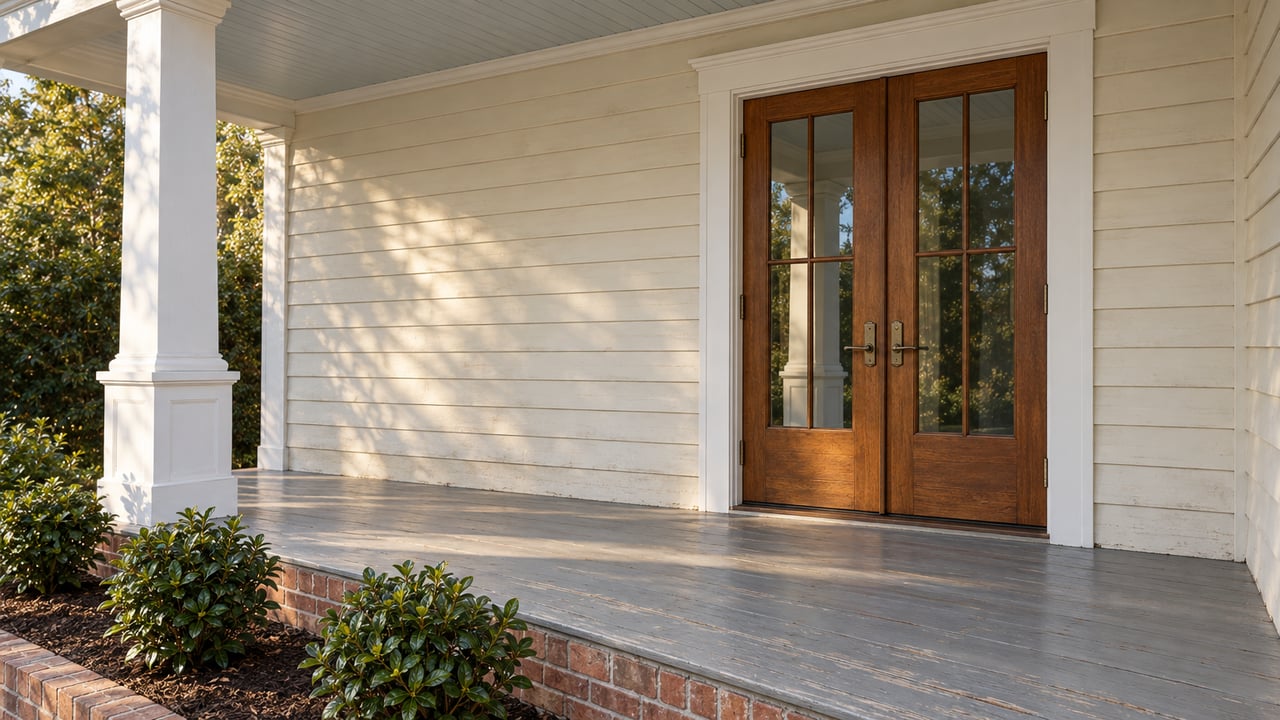
- A covered roof with supporting columns or posts
- Wood decking and floors, historically heart pine or cypress
- Turned balusters or simple railings that preserve airflow
- Doors and windows from interior rooms that open directly onto the piazza
- Ceiling boards often painted a soft “haint blue,” a regional tradition with aesthetic and folk roots
The single house layout
The single house’s narrow gabled end faces the street, while the home’s rooms open along the side. The piazza sits on that long side, acting as a circulation spine. It is both an outdoor sitting room and a functional passage that helps interior rooms breathe.
Why piazzas face the breeze
Charleston’s hot‑humid subtropical climate shaped the piazza. Long summers, high humidity, and frequent sea breezes influenced how homes were sited and detailed. Builders oriented piazzas to catch prevailing summer breezes from the harbor and Atlantic.
Climate comfort by design
- Cross‑ventilation: Doors and windows open from primary rooms onto the piazza, allowing air to move through living spaces and bedrooms.
- Stacked shade: Multi‑story piazzas create vertical shade that cools exterior walls and reduces heat gain.
- Microclimate: A covered roof, open railings, and airflow make the piazza cooler and drier than an exposed porch.
Practical benefits inside
When a piazza is oriented toward the breeze and protected from intense solar exposure, interior rooms feel noticeably more comfortable. Shading from the porch roof and upper floors reduces direct sun on walls and windows, especially on west and south exposures. The result is a home that feels livable through more of the year without relying solely on mechanical cooling.
How piazzas shape daily life
Piazzas are everyday spaces, not just decorative elements. Historically, people gathered, dined, and even slept on them during warm nights. Today, you still see that flexible use.
Everyday and modern uses
- Outdoor sitting rooms for morning coffee or evening gatherings
- Dining spaces that keep you connected to the street’s rhythm while tucked privately to the side
- Circulation between rooms on each level, often with multiple doors to interior spaces
- Flexible zones for reading, work‑from‑home setups, or play areas
- Practical upgrades like ceiling fans, outlets, screens, and subtle lighting that extend use into the evening
Why buyers value upper levels
Second and third‑story piazzas often capture better breezes and views. Elevated outdoor rooms tend to feel cooler and more private. In compact Downtown lots, that vertical outdoor space effectively extends your usable square footage during mild months.
What makes a great piazza
Not all piazzas perform the same. Small differences in orientation, depth, and detailing change how you use the space.
Orientation, depth, and privacy
- Breeze access: Piazzas that face the harbor or open corridors toward the sea breeze typically feel cooler and are used more often.
- Depth and width: Comfortable clearances for seating and dining make the space more versatile.
- Sightlines: A side orientation buffers you from the street while still feeling connected to the neighborhood.
Authenticity and character
Intact historic materials and details can shape buyer perception and, in some cases, preservation responsibilities. Original columns, rail profiles, and traditional finishes add character. Thoughtful updates, when needed, should match original materials and profiles where possible.
Maintenance and care
Piazzas are exposed to sun, rain, salt air, and wind. Regular care protects structure and finishes, especially in a coastal environment.
Materials and vulnerabilities
- Wood decking and framing: Heart pine and cypress resist moisture better than many species, but any wood can rot where water collects. Termites and borers can damage unprotected members.
- Fasteners and hardware: Coastal salt air accelerates corrosion. Stainless or hot‑dip galvanized fasteners are recommended for replacement work.
- Paint and finishes: Sun and salt can cause paint failure. Porch ceilings with “haint blue” finishes may need specialized repainting to match character.
- Roofing and flashings: Junctions where the porch roof meets the main wall, chimneys, or gutters are common leak points.
Routine upkeep checklist
- Inspect post bases, sill plates, joist ends, and ledger connections for rot or movement
- Confirm proper drainage and slope so water sheds away from the house
- Address any staining on ceilings or interior walls that suggests past leaks
- Maintain paint cycles and touch up where peeling appears
- Use corrosion‑resistant hardware for any exterior replacement
- Verify that exterior outlets, lights, and ceiling fans are rated for outdoor use and properly grounded
Storm readiness
Before hurricane season, secure furniture, check shutter hardware, and confirm the strength of visible structural connections. Salt and wind exposure can loosen elements over time, so a pre‑season check reduces risk.
Buyer showing checklist
When you tour a Downtown home with a piazza, take a few minutes to evaluate comfort and condition.
- Stand on the piazza at different times of day to feel shade and airflow
- Note whether nearby structures or trees block the breeze
- Look for uneven or bouncy floorboards, gaps at wall connections, and sagging
- Check post bases and decking for soft spots or mismatched patches
- Inspect ceilings and interior walls for water stains
- Review gutters, downspouts, and surface slope for drainage
- Watch for insect evidence like mud tubes or frass
- Confirm safety features: secure railings, handrails, stair treads, and exterior GFCI outlets
- Measure usable depth for seating or dining and note power, lighting, fans, and screen options
- Assess privacy and views relative to neighbors and the street
Questions to ask
- When was the last major porch repair or structural work, and are there receipts or permits?
- Has the home had termite treatments or structural reports covering porch framing?
- Are there historic district approvals, easements, or restrictions that affect porch work?
- What is the property’s flood zone and insurance history, and have prior storm events required porch repairs?
Regulations and insurance
Downtown Charleston’s historic context adds important review and coverage considerations.
Historic review in Charleston
The Charleston Historic District is subject to design review by city preservation authorities. Visible changes to piazzas typically require approval. Before you plan alterations, confirm whether the property is within a regulated district and whether any preservation covenants apply. Expect a repair‑first approach, with replacement in kind when needed.
Flood and wind factors
Coastal location influences insurance and maintenance. Salt air can corrode hardware more quickly, while wind and hurricane exposure raise risk. Floodplain designation affects coverage and potential costs, so verify flood status and discuss policy details with your insurer.
Selling a home with a piazza
A well‑presented piazza can be a highlight in Downtown listings. Small improvements help buyers picture everyday life in the space.
Prep to maximize appeal
- Clean and repaint high‑touch areas where paint is failing
- Refresh lighting and add rated ceiling fans for airflow
- Style zones for sitting and dining to show scale and flexibility
- Confirm railings are secure and hardware looks consistent
- Address minor drainage issues and tidy gutters
Disclosures and documentation
Have documentation ready for recent work, pest treatments, and any historic approvals tied to the piazza. Clear records build buyer confidence and streamline due diligence.
How King & Society can help
If you are buying, we help you evaluate orientation, airflow, structural integrity, and regulatory context so you understand both value and upkeep. If you are selling, our design‑forward marketing showcases the piazza as an everyday living space and highlights authentic details buyers love.
Because our team integrates brokerage with in‑house building, renovation, and property management, you can plan repairs or upgrades with one partner. From preservation‑minded carpentry to compliant lighting and fan updates, we coordinate the right scope so your piazza performs beautifully and aligns with local review standards.
Ready to explore Downtown homes or prep your listing? Connect with King & Society Real Estate to start your Charleston home journey.
FAQs
What is a piazza in a Charleston Single House?
- A piazza is a covered side porch that runs along the long side of a home, commonly the Charleston Single House, serving as outdoor living space and a circulation spine.
Why are Charleston piazzas oriented toward breezes?
- Builders positioned piazzas to intercept prevailing summer sea breezes, creating cross‑ventilation and shade that keep interiors more comfortable in a hot‑humid climate.
How do piazzas affect daily living in Downtown homes?
- Piazzas extend usable space for sitting and dining, connect rooms on each level, and often feel cooler and more private than front porches due to their side placement.
What maintenance issues are common with historic piazzas?
- Typical concerns include wood rot at post bases and joists, corrosion of hardware in salt air, paint failure from sun exposure, and leaks at roof and flashing junctions.
What should buyers check during a showing with a piazza?
- Evaluate airflow and shade, look for structural sag or soft spots, check for water stains and drainage, verify secure railings and GFCI outlets, and ask about past repairs and approvals.
Do I need approval to alter a piazza in Downtown Charleston?
- Visible changes in regulated historic districts usually require city design review, so confirm district status and any preservation covenants before planning alterations.