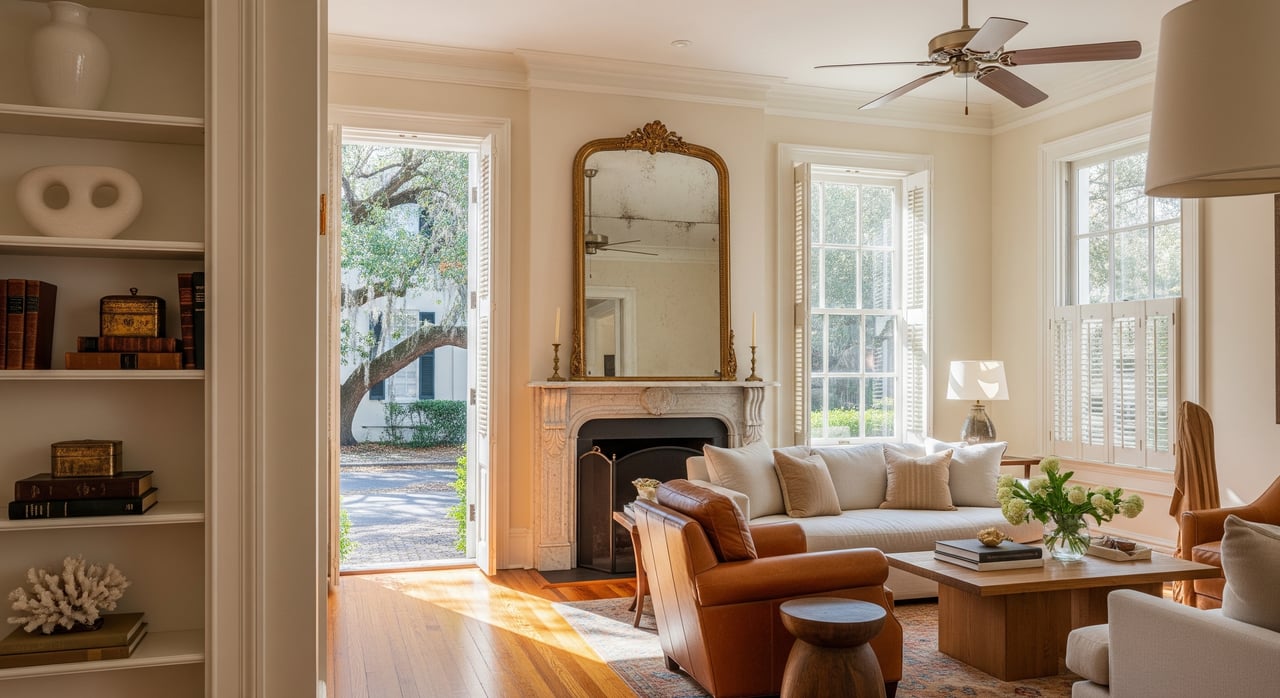
Love the idea of stepping out your door to King Street, the waterfront, and Charleston’s best dining, but not sure if a historic condo fits your lifestyle? You are not alone. Many buyers are drawn to the character of tall windows, original brick, and high ceilings, yet want clarity on rules, maintenance, parking, and insurance. This guide breaks down what historic downtown condos offer, where the tradeoffs live, and how to decide if it is the right move for you. Let’s dive in.
Historic condo essentials
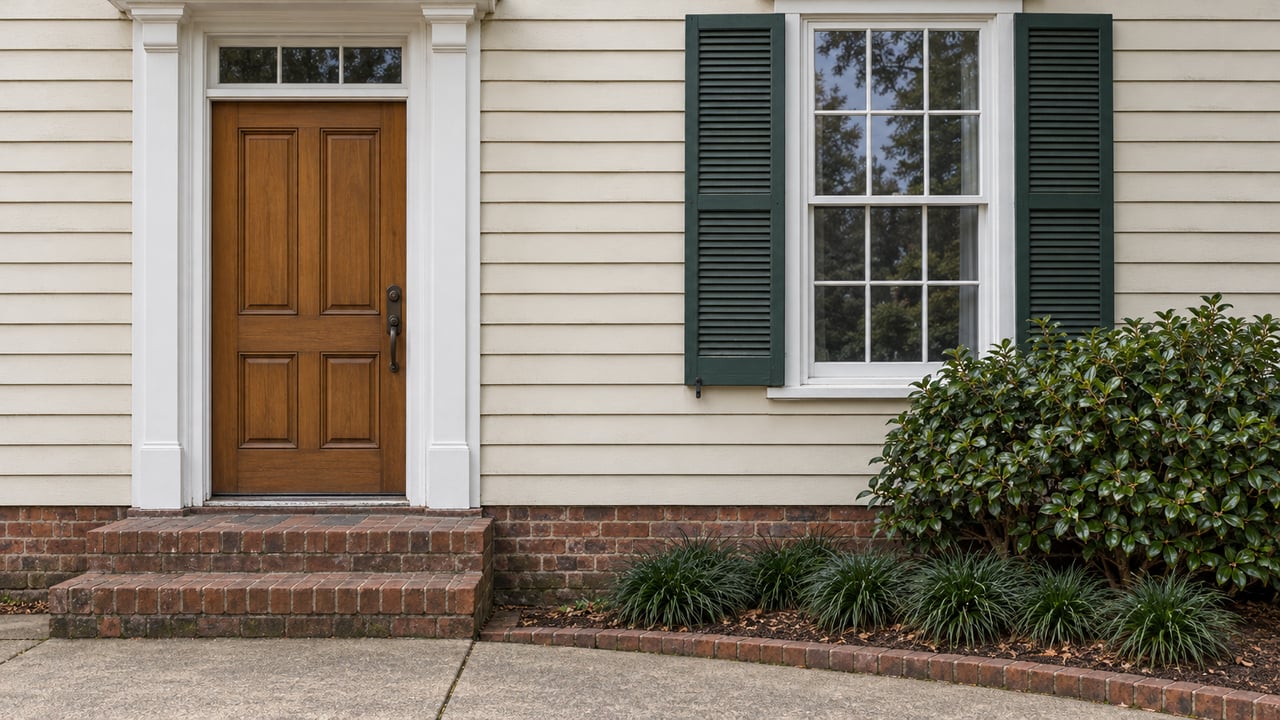
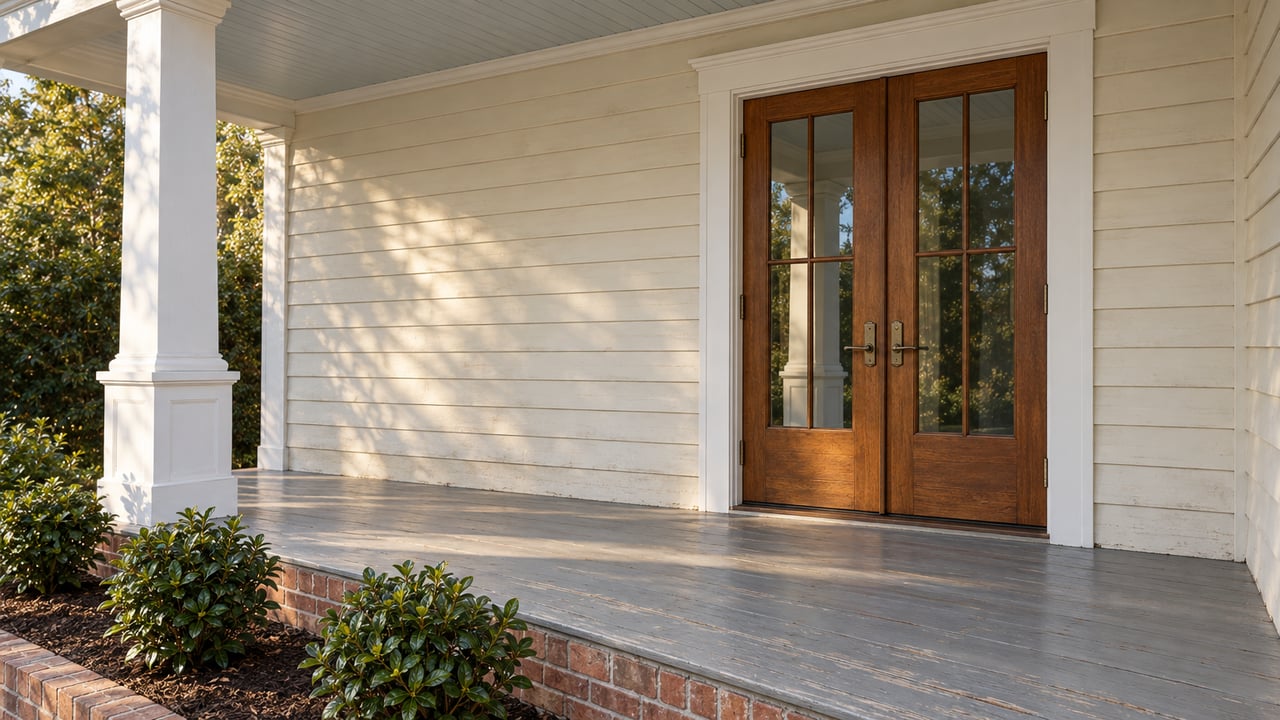
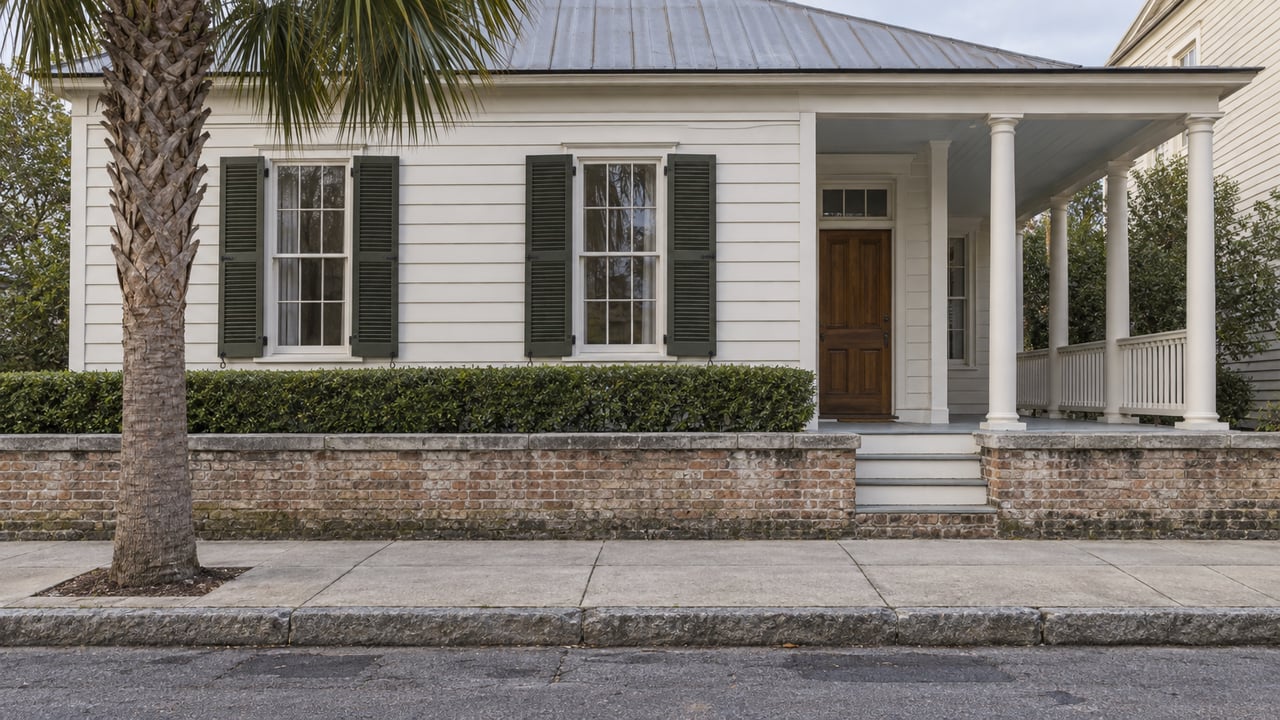
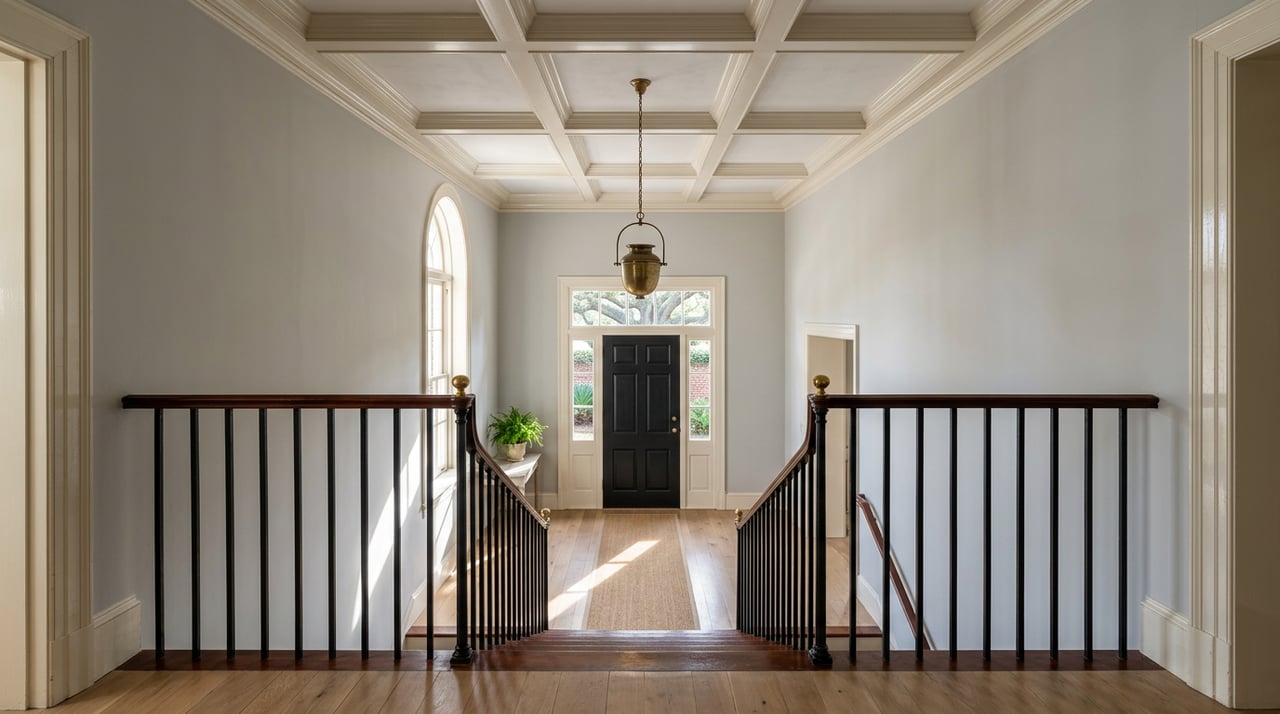
Historic downtown Charleston condos live inside buildings that were often something else first. You will find converted townhouses, adaptive-reuse lofts, and low- to mid-rise residences woven into the city’s oldest streets. Interiors may feature heart pine floors, plaster walls, and period mantels. These details are a big part of the appeal.
With character comes quirks. Floor plans can be nonstandard, and some buildings have stair-only access. Mechanical systems can be shared or centralized, and older plumbing or electrical stacks may call for specialized work. Expect craftsmanship and charm, along with materials that sometimes need experienced care.
Lifestyle and location
Downtown Charleston’s value is its walkability. You can stroll to King Street shops, galleries, restaurants, and cultural venues, and reach East Bay, the Battery, and museums without a car. This convenience is a major draw for pied-à-terre buyers and anyone who wants an immersive city lifestyle.
Some areas see higher foot traffic due to tourism and events. The French Quarter and areas around Market Street can feel more active, while residential pockets like South of Broad offer a calmer vibe. Think about your daily rhythm and how you plan to use the condo, then pick a location that matches your energy level.
Rules and approvals
Owning in the historic district means working within local preservation controls. The City of Charleston’s Board of Architectural Review (BAR) oversees exterior changes seen from the public way. New windows, doors, shutters, rooftop elements, and balcony work typically require BAR review before permitting. This protects the streetscape and slows quick exterior changes.
If your unit includes an element of the façade or a visible balcony, plan for documentation and lead time. National historic listings do not replace local rules; the BAR is the primary authority for exterior work. Inside your unit, normal renovations still run through the condo association process and city permitting.
Rentals and HOA realities
If you plan to rent your condo, read the rules first. The City of Charleston regulates short-term rentals with licensing and zoning standards, and many condominium associations either prohibit them or set minimum lease terms. Historic-building associations often favor stability and quiet hours. Do not assume a pied-à-terre can double as a short-term rental.
Associations manage shared elements like roofs, facades, and foundations. Regime fees may be higher in buildings with elevators, staff, security, or extensive masonry. You will also see a master insurance policy for common elements, which complements your HO-6 walls-in coverage. Always review reserve studies, budgets, and any history of special assessments.
Parking and getting around
Deeded parking is not guaranteed in historic buildings and is a premium when available. Some condos offer garage or valet arrangements, while others rely on municipal garages, metered on-street parking, private lots, or residential permit zones. If you own a car, ask early about the parking situation and guest options.
Walkability reduces car dependence for many owners. CARTA transit, rideshare, and scooters all help connect the peninsula. Still, parking will shape your daily routine. Confirm what is included with the unit and what nearby options cost.
Flood, storm, and insurance
The Charleston peninsula is low-lying, so plan for flood and storm due diligence. Review FEMA flood maps and the property’s elevation or Elevation Certificate if available. If the building sits in a Special Flood Hazard Area, flood insurance is commonly required and can be a meaningful expense.
Most associations carry a master policy for exteriors and common elements. You will need an HO-6 policy for your interior finishes, contents, and loss assessment coverage. Wind and hurricane exposure often comes with separate deductibles. Ask for insurance certificates and deductibles, then price your HO-6 and flood coverage before you finalize an offer.
Maintenance and hidden costs
Historic materials age differently. Masonry repointing, roof work, timber framing, plaster repairs, drainage improvements, and historic window maintenance are common capital items over time. Older HVAC, plumbing stacks, or electrical panels may need upgrades and will require association coordination.
Strong associations plan ahead. Reserve studies, clear maintenance schedules, and transparent budgets help limit surprise assessments. Review board meeting minutes for the last 12 to 24 months to catch planned projects, disputes, or deferred work. A careful read can save you from expensive surprises.
Accessibility and day-to-day details
Many historic buildings rely on stairs and lack modern accessibility features. That can affect furniture delivery, moving day logistics, and daily errands. Storage is also tighter than in newer buildings, and package, trash, and pet rules vary by association.
Walk the route from street to unit to feel the daily flow. Confirm where deliveries go, how trash is handled, and whether there is dedicated storage. Small details shape everyday comfort.
Who historic condos fit best
- Pied-à-terre buyers who want walkability and character more than large interiors or parking.
- Relocation buyers and empty nesters drawn to galleries, dining, and cultural events.
- Local move-up buyers who prefer city living and can work within older-building constraints like stairs and limited storage.
If you fall into one of these groups, a historic condo can deliver an unmatched sense of place.
When newer construction fits better
Newer infill or suburban condos may be a better fit if you want guaranteed parking, elevators, larger floor plans, and more modern mechanical separation. You might also prefer newer systems for energy efficiency and fewer capital projects in the near term. If you want maximum flexibility for interior upgrades with fewer exterior constraints, new construction may feel simpler.
Neighborhood snapshots
- South of Broad and The Battery. Primarily residential streets with deep historic character. Condos often live in smaller buildings or townhouse conversions. Parking is limited, and quiet hours tend to be respected.
- French Quarter and Waterfront near East Bay and Market. Adaptive-reuse lofts and mixed-use buildings are common. Expect higher tourism foot traffic and quick access to galleries, dining, and the harbor.
- Upper King Street and Ansonborough. A mix of loft conversions, galleries, restaurants, and newer infill condos. This area blends historic character with a lively dining scene.
- Broad, Meeting, and the Queen/Tradd corridors. Rich with period townhouses and distinctive architecture. Modern parking is scarce, and many buildings follow careful preservation norms.
Visit at different times of day to gauge street energy, parking demand, and noise patterns. Your lifestyle should drive the neighborhood choice.
A simple due diligence checklist
Documents and financials to request:
- Declaration, bylaws, rules and regulations, plus amendments.
- Current budget and recent financial statements.
- Reserve study and reserve balance; recent and planned capital projects.
- Board meeting minutes for the last 12 to 24 months.
- Master insurance certificates and deductibles.
- Tenant and owner mix, rental policies, and any short-term rental restrictions.
- Pending association litigation.
Inspections and property reports:
- Standard home inspection.
- Structural evaluation if the building is older or shows movement.
- Pest inspection for wood-destroying insects.
- Targeted electrical, plumbing, and HVAC checks, especially in buildings with shared stacks.
- Flood risk review, including FEMA map check and Elevation Certificate if available.
- Documentation of BAR approvals for past exterior work.
Key buyer questions:
- Are short-term rentals allowed? What is the minimum lease term?
- Is parking deeded or assigned? What are the nearby alternatives and costs?
- What does the master policy cover, and what are my HO-6 responsibilities?
- Are any special assessments planned or recently levied?
- Are there BAR violations or unresolved preservation issues?
- What restoration or exterior maintenance is planned over the next 5 to 10 years?
How King & Society helps
Choosing between historic charm and modern convenience is personal. You want a clear view of rules, costs, and everyday life before you commit. With an integrated platform that includes brokerage, in-house construction and renovation, property management, and hospitality operations, you get one team that understands the historic district’s nuances.
Here is how you can move forward with confidence:
- Identify the right streets and buildings for your lifestyle, from quiet residential blocks to lively cultural corridors.
- Model total cost of ownership, including regime fees, master policy deductibles, HO-6 coverage, flood and wind insurance, and likely capital projects.
- Coordinate inspections and review association documents for reserves, maintenance plans, and rental policies.
- Plan interior upgrades with the building’s systems and association rules in mind, and navigate exterior considerations with preservation standards in view.
If a historic condo is right for you, you will feel it in the first few steps through the door. If newer construction fits better, your checklist will make that clear. Either way, you win with a smart, informed choice.
Ready to explore downtown Charleston with a trusted local partner? Reach out to King & Society Real Estate to start your Charleston home journey.
FAQs
What should I know about exterior changes in historic downtown Charleston?
- In local historic districts, the City’s Board of Architectural Review typically must approve visible exterior alterations before permitting, so plan for documentation and lead time.
Can I use a downtown Charleston condo for short-term rentals?
- It depends on municipal licensing rules and your condo association’s documents; many historic-building HOAs prohibit short-term rentals or require minimum lease terms.
Do historic downtown condos usually include parking?
- Not always; deeded spaces are limited and valuable, and many owners rely on garages, metered streets, private lots, or residential permit programs.
What insurance do I need for a Charleston condo?
- The association’s master policy covers common elements; you will need an HO-6 policy for interior finishes and contents, plus flood insurance if in a mapped flood zone.
How does flood risk affect downtown condo ownership?
- Flood zone and elevation influence insurance requirements and costs; review FEMA maps, seek an Elevation Certificate if available, and price coverage before closing.
Are regime fees higher in historic buildings?
- Fees vary by building and services; elevators, security, staffing, and masonry or exterior care can increase costs, so review budgets and reserve studies closely.