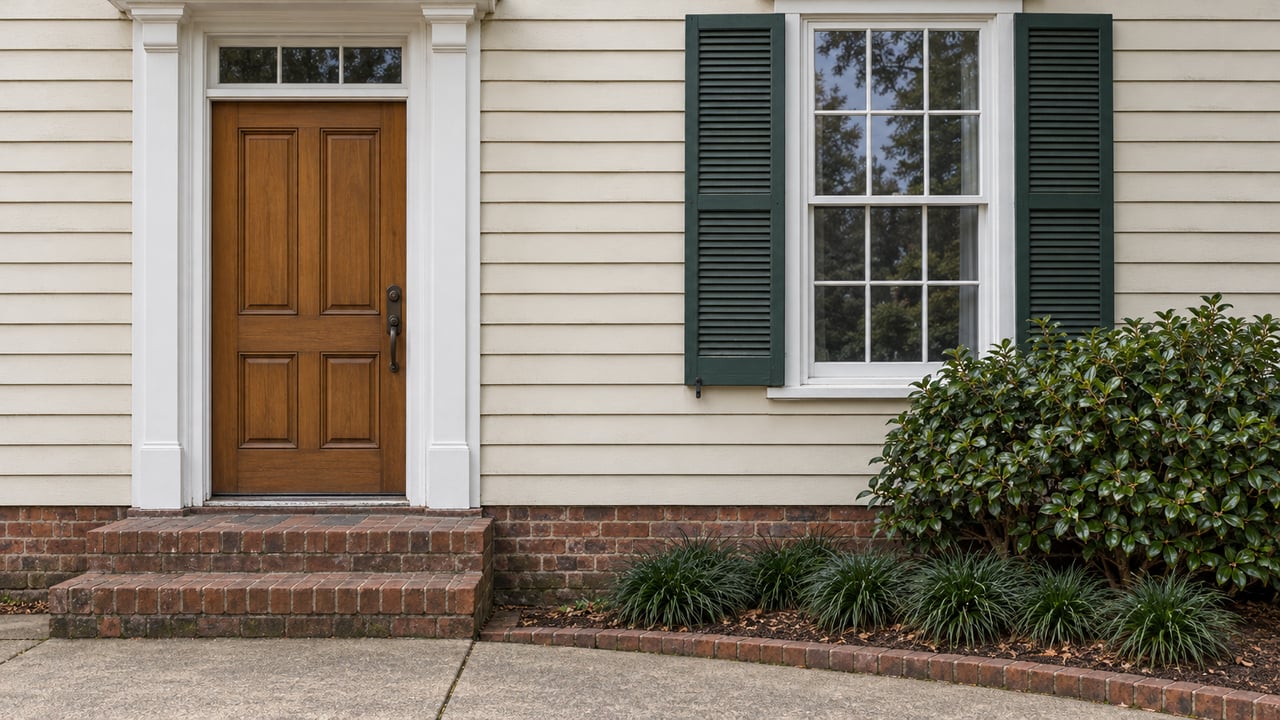
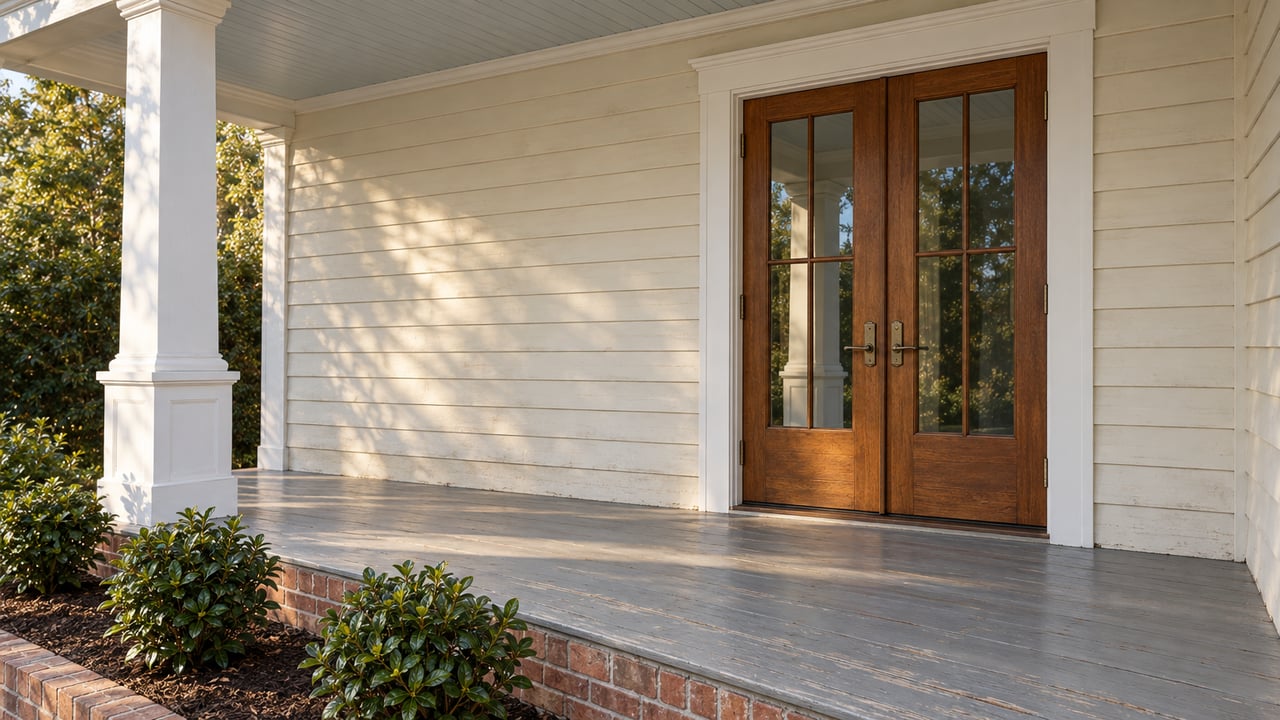
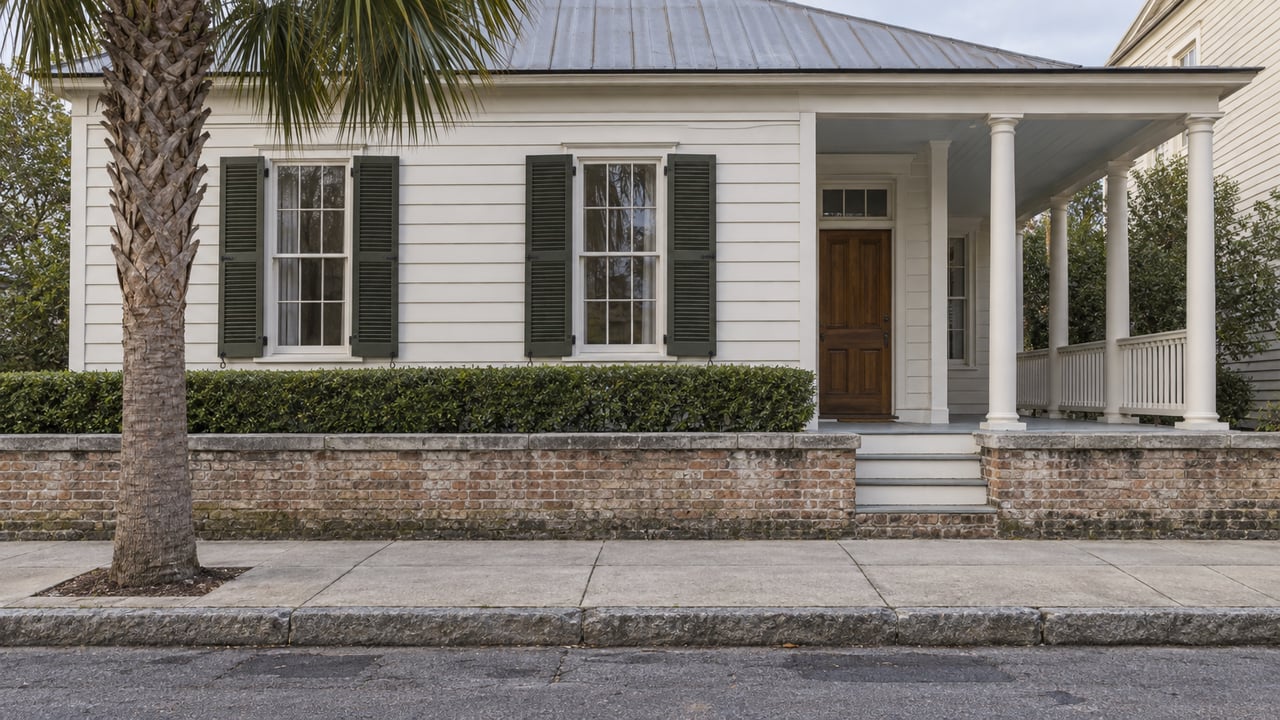
Picture morning walks on Kiawah’s quiet beaches and evenings on a Seabrook porch, then imagine a financing plan that makes it all feel effortless. Buying a second home on the islands is exciting, but jumbo loan rules, flood insurance, and HOA details can raise questions fast. In this guide, you’ll learn how second‑home loans work here, what down payment and reserves to expect, how lenders treat rental use, and how to choose a lender with true coastal experience. Let’s dive in.
What makes Kiawah and Seabrook different
Kiawah Island and Seabrook Island are luxury coastal communities where prices often exceed conforming loan limits. That means many buyers use jumbo or portfolio loans rather than standard conforming mortgages. Properties span single‑family homes, custom builds, and condos with association rules that can affect eligibility.
Coastal factors matter. Parts of the islands fall within FEMA flood zones, and lenders require flood insurance where maps indicate risk. You should also plan for Charleston County property taxes and island POA or HOA fees, which lenders include when they evaluate reserves and your overall profile.
Second‑home buyers here are often out‑of‑area and use cash, conventional, or jumbo financing. Government loans like FHA or VA are not suited for second homes. Your path will likely run through conventional, jumbo, or portfolio lending with documentation that reflects a high‑value coastal purchase.
Second‑home loans: your main options
Conventional loans can work if the property qualifies and the loan amount is at or under the current conforming limit for Charleston County. For a one‑unit second home that is suitable for year‑round occupancy and primarily for your use, minimum down payments often start around 10 percent, though many buyers put 15 to 20 percent or more. Lenders commonly ask for at least 6 months of PITI in reserves, and more for higher loan amounts.
Jumbo loans come into play when your loan amount is above the conforming limit. These programs are lender specific. Expect higher credit score targets, tighter debt‑to‑income caps, more reserves, and closer review of property characteristics like condos and flood exposure.
Portfolio and private bank loans are helpful if your profile is complex. If you have multiple properties, nontraditional income, or an HOA that needs more flexible review, a lender that keeps loans on its balance sheet may offer custom solutions like asset‑depletion or interest‑only.
Jumbo loans: what to expect
A jumbo loan is any loan that exceeds the FHFA conforming limit for the county. Because investors hold more risk, underwriting is more conservative. Many programs prefer a 720 or higher credit score, with some allowing 700 to 719 when you have strong compensating factors.
Down payments often range from 10 to 25 percent, with 20 percent or more common for condos or complex scenarios. Lenders usually want 6 to 12 months of reserves for jumbos, sometimes more if you own multiple financed properties. Rates and fees may be slightly higher than conforming loans, so it pays to compare lenders.
Appraisals can take longer on the islands because luxury waterfront comps are unique. Insurance review is also more detailed. Build extra time into your contract to accommodate appraisal and insurance milestones.
How lenders view you: credit, DTI, reserves
Credit scores. For second‑home conventional loans, many lenders look for at least a 700 score. Jumbo programs often prefer 720 to 740 or higher. Lower scores sometimes work with larger down payments and strong assets.
Debt‑to‑income ratio. Conforming loans can allow up to roughly the low‑to‑mid 40 percent range depending on your file. Jumbo lenders are often stricter and may cap near the low‑40s. Strong liquid assets or large reserves can help.
Reserves. Plan for at least 6 months of PITI for a second home, and 6 to 12 months or more if you are financing a jumbo loan or own several properties. Lenders may ask for reserves per property plus a set cushion.
Documentation. Expect two years of tax returns, W‑2s or 1099s, recent pay stubs, bank and investment statements, employment verification, a copy of your contract, and HOA documents. If the home is in a flood zone, the lender will want a flood insurance quote or binder. Your lender may also ask for proof of primary residence and intent to occupy the second home part‑time.
Second home vs. investment: know the rules
Second home means you buy primarily for personal use, and the property is suitable for year‑round occupancy. Limited, incidental rental use may be allowed, but your primary purpose is your own stays. You sign an occupancy declaration at closing.
Investment property means you buy mainly to produce rental income. Lenders treat these loans differently with higher down payments, higher rates, and documentation like lease agreements or market rent studies. Underwriters may count a portion of expected rent toward qualifying if evidence supports it.
Be clear about your plan. If you intend to operate as a short‑term rental, the lender may classify the purchase as an investment even if you plan personal stays. Misstating occupancy can violate loan terms. Also review HOA or POA rental rules early since some condos or communities limit rentals.
The true cost of owning on the islands
Beyond principal and interest, plan for the full package of coastal carrying costs. Lenders factor many of these into your reserves and DTI, and they are essential for your budget.
- Property taxes in Charleston County
- Homeowners insurance with higher coastal premiums
- Flood insurance if in a FEMA flood zone
- Windstorm coverage and higher hurricane deductibles
- POA or HOA dues and any resort or amenity fees
- Utilities and maintenance, including landscaping, pool, dock, and pest control
- Mold and moisture mitigation for coastal humidity
- Property management and turnover if you plan to rent
- Special assessments or capital improvements
A simple rule of thumb is to set aside 1 to 2 percent of property value per year for maintenance on luxury coastal homes, plus insurance and dues. Elevation certificates, wind‑mitigation steps, and property hardening can help manage premiums. Your lender may request documentation tied to mitigation.
Your prep timeline and closing path
Start early. In resort markets, appraisals, insurance quotes, and condo or POA reviews can extend timelines. Engage a lender before you make an offer so your terms reflect the right classification and reserve requirements.
Gather documents up front. Two years of tax returns, recent income statements, bank and investment statements, and any gift‑fund letters will reduce surprises. If the home is a condo, collect HOA budgets, rules, and master insurance details early so your lender can complete project review.
Plan your funds. Clarify the source of your down payment, whether equity from your primary home, liquid assets, gifts, or a bridge loan or HELOC. Ask how the lender treats gift funds for second homes and whether seasoning rules apply to deposits.
How to choose a Kiawah or Seabrook lender
Look for coastal experience. You want a lender that understands flood zones, wind coverage, and HOA or POA structures specific to the islands. They should have access to appraisers who know waterfront comparables and the impact of docks, views, and erosion risk.
Seek jumbo and portfolio depth. Ask about minimum down payments, credit score floors, DTI limits, and reserves for loans in the 1 to 3 million dollar range. Confirm whether they offer interest‑only, asset‑depletion, or flexible documentation for complex income.
Check project approval strength. For condos, the lender should have a track record with association reviews. Ask how they handle investor concentration, short‑term rental exposure, and insurance deductibles.
Evaluate speed and communication. Request realistic timelines for disclosures, appraisal ordering, underwriting, and closing, plus how they handle appraisal reviews and re‑inspections on coastal properties.
Questions to ask a lender
- Do you have closed second‑home loans on Kiawah Island or Seabrook Island and can you provide local references?
- What jumbo or portfolio options do you offer for South Carolina second homes, and what are your typical down payment, credit score, DTI, and reserve requirements at 1 to 3 million dollars?
- How do you treat short‑term rental income if I plan limited renting, and what documentation would you need?
- What are your requirements for flood insurance, elevation certificates, and wind mitigation for these islands?
- Do you allow title in a trust or LLC, and what additional documentation is required to close?
- What is your typical appraisal timeline and your appraiser’s experience with coastal luxury properties?
Documentation checklist
- Two years of federal tax returns, plus business returns if applicable
- W‑2s or 1099s, recent pay stubs, and employment verification
- Two to three months of bank and investment statements with explanations for large deposits
- Retirement and brokerage account statements for reserves
- Gift letter and paper trail if using gift funds and your program allows it
- Executed purchase contract
- HOA or POA documents, including CC&Rs, budgets, insurance certificates, and rental rules
- Flood insurance quote or binder if required, plus wind coverage details
- Full appraisal by an appraiser experienced with coastal properties
How King & Society supports your financing journey
You want a smooth path from offer to first sunset on the porch. Our team works alongside local and regional lenders who know the islands, and we help you gather HOA, insurance, and property details quickly so underwriting stays on track. If you plan light upgrades or a full refresh, our in‑house construction team can scope costs early, and our property management and hospitality arm can advise on operations if you intend limited rentals within community rules and lender guidelines.
When you are ready to walk the islands, we will align your search with loan parameters, reserves, and carrying cost targets so you can write strong offers with confidence. If you want a partner to coordinate acquisition, build or renovation, and ongoing management, we are here to help.
Start your Charleston home journey with King & Society Real Estate.
FAQs
What down payment do I need for a Kiawah or Seabrook second home?
- Many lenders allow second‑home purchases starting around 10 percent down, but 15 to 20 percent is common on high‑value coastal homes and more may be required for condos or jumbos.
Are FHA or VA loans an option for second homes on the islands?
- FHA and VA are intended for primary residences, so most second‑home buyers here use conventional, jumbo, or portfolio loans instead.
Will short‑term rental income help me qualify for a loan here?
- If the lender classifies your purchase as a second home, they typically do not use short‑term rent to qualify; if your plan is primarily rental, underwriting often treats it as an investment with different terms.
How much in reserves should I expect for a jumbo second home?
- Many programs ask for 6 to 12 months of PITI, and more can be required if you have multiple financed properties or a very large loan amount.
Do I need flood insurance for a Kiawah or Seabrook home?
- If the property sits in a FEMA flood zone that requires coverage, lenders will require flood insurance; wind coverage and higher hurricane deductibles are also common on coastal homes.
How long does closing take for a jumbo loan on the islands?
- Timelines vary, but because appraisals and insurance reviews can take longer for coastal luxury properties, plan extra time and order key items early with your lender and agent.