If you have ever read a downtown Charleston listing and felt like every other sentence needed a translator, you are not alone. Terms like piazza, dependency, and regime fee can sound charming on the surface, but they often carry real meaning for ownership, maintenance, approvals, and daily life. When you know how to read between the lines, you can shop with more confidence and avoid surprises after closing. Let’s dive in.
Why listing language matters downtown
Downtown Charleston is not a plug-and-play housing market. Listings here are shaped by architecture, preservation rules, and property types that can change what you can update, what you may need to maintain, and how the home functions day to day.
That is especially true in the historic districts, where the City of Charleston’s Board of Architectural Review, or BAR, reviews exterior work visible from the public right-of-way. In many cases, the wording in a listing is doing more than describing style. It is hinting at what kind of stewardship the property may require.
Start with the property type
Before you focus on finishes or staging, figure out what kind of property you are actually looking at. A downtown listing may describe a Charleston single house, a condo in a converted building, a multi-unit conversion, or a standalone house with a rear secondary structure.
That distinction matters because it affects privacy, upkeep, approval paths, and how the property lives. It can also shape what questions you should ask before you make an offer.
What is a Charleston single house?
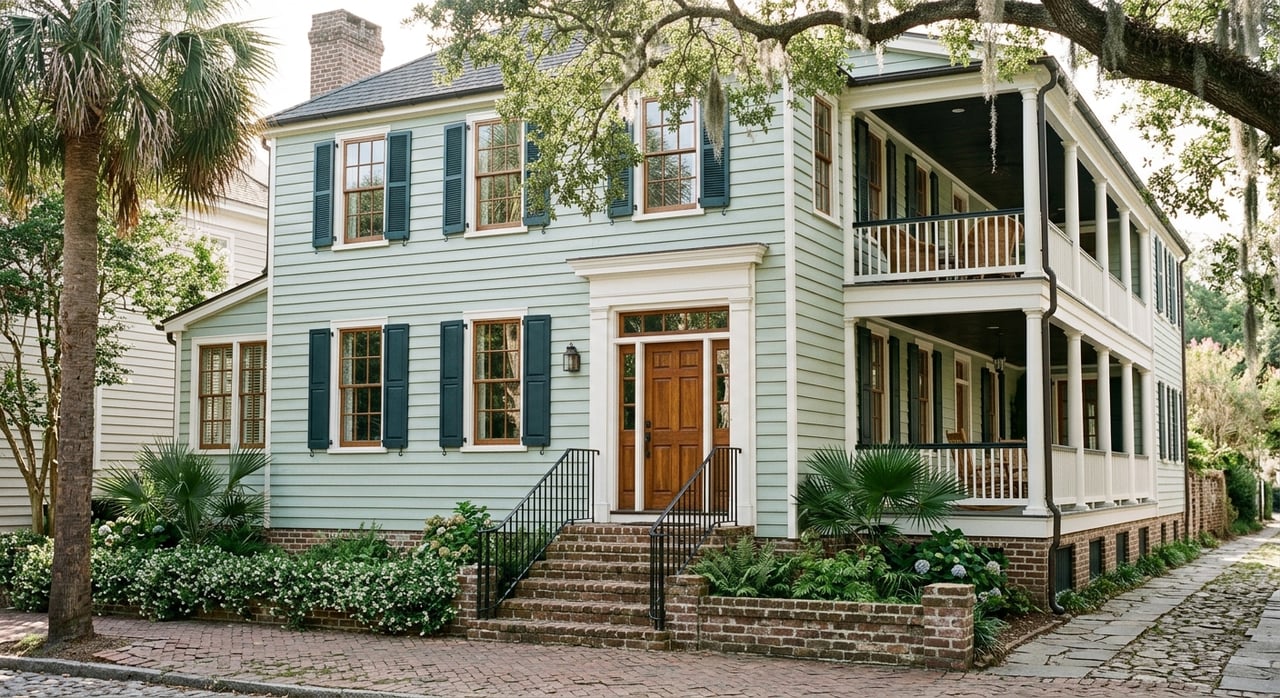
The Charleston single house is one of the city’s defining home forms. City planning and preservation materials describe it as a house body paired with a one- or two-story piazza, with the piazza set off from the street by a screen wall and door.
This design was an adaptation to Charleston’s narrow urban lots and hot, humid climate. So if a listing calls a home a Charleston single, it is not just giving you a style note. It is telling you something about the lot layout, the side porch arrangement, and often the home’s historic character.
Why converted properties need extra review
Some downtown homes have been divided into condos or multiple units over time. Others may include a rear building that functions separately from the main house.
Those setups can be appealing, especially if you want flexibility or lower exterior maintenance, but they also call for more paperwork review. You will want to understand who maintains what, which spaces are shared, and whether there are association rules or added approval layers tied to the property.
Decode common Charleston listing terms
Some of the most important clues in a downtown listing are hidden in local terms. Here are a few that deserve a closer look.
Piazza
In Charleston, a piazza is not just another porch. It is a defining side-porch feature of many single houses, and it often plays a major role in both the home’s appearance and your outdoor living space.
If a listing mentions a screened piazza or enclosed piazza, pay attention. The BAR treats piazza screening carefully, says it should be reversible and minimally framed, and generally discourages enclosure. If screening was added, ask whether the work was approved and documented.
Carriage house or dependency
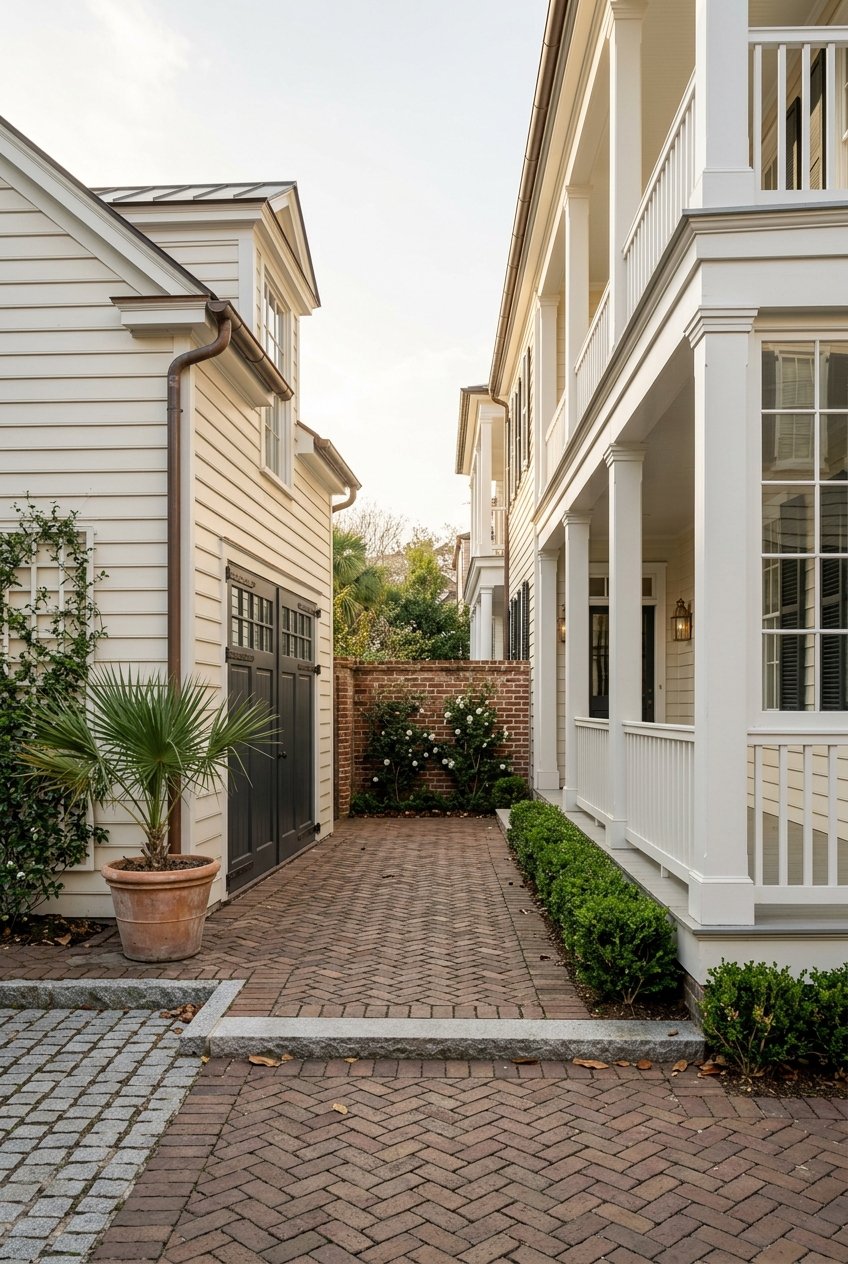
A carriage house, kitchen house, or dependency usually points to a secondary building on the parcel. In preservation language, a dependency is a separate structure that historically supported the main house.
Today, that can mean added charm and useful space, but it can also mean separate maintenance questions, code questions, and possible approval issues for future changes. If a listing highlights a rear structure, ask exactly how it is used and what records exist for past work.
Regime fee
A regime fee is local shorthand for a condo or horizontal-property-regime assessment. In plain language, it is a fee collected by the association to help cover common expenses.
In South Carolina, those expenses may include taxes, insurance, maintenance, improvements, and other shared costs. If a listing includes a regime fee, do not stop at the monthly number. Ask what it covers, whether reserves are healthy, whether special assessments are planned, and whether there are rules on pets, guests, parking, or transfer fees.
Read maintenance clues carefully
Historic downtown listings often use beautiful language to describe original details. Those details can be a major reason to buy, but they also come with responsibilities.
If you see references to original windows, standing seam metal roofing, screened piazzas, or rear additions, treat them as both features and ownership clues. In Charleston’s historic districts, those details may affect future repairs, replacements, and approvals.
Original windows
A listing that celebrates original windows is usually highlighting authenticity and character. It may also be signaling that future work will need a careful approach.
The BAR guidelines favor repair over replacement and require in-kind replacement when repair is not possible. The guidelines also say changes to window size or openings are not allowed on historic residences. That means windows are not just cosmetic. They are part of the home’s protected exterior character.
Metal roofs and historic materials
Historic roofs in Charleston are commonly standing seam metal, copper, terra-cotta tile, or slate. If a listing mentions a metal roof, that may be both a design asset and a preservation detail.
The BAR generally rejects synthetic materials like vinyl and fiberglass on historic buildings. So if major exterior work is ever needed, material choices may be narrower than buyers expect in other markets.
Additions and equipment
Rear additions can expand livability, but the BAR says additions should remain subordinate to the original structure. If a listing mentions an addition, ask when it was built and whether BAR approvals are on file.
Mechanical equipment matters too. HVAC units, pool equipment, satellite dishes, and similar items generally should not be visible from the public right-of-way and may need screening. A polished listing may not call attention to this, but it can affect future project planning.
Understand approval layers before you buy
One of the biggest downtown Charleston mistakes is assuming city approval is the only approval that matters. In some cases, a property may also have a preservation easement or covenant that creates an extra layer of review.
Historic Charleston Foundation notes that some easements can cover the entire parcel, not just what is visible from the street. That means owners may need easement-holder approval before they even apply to the City. If you are thinking about renovating, restoring, or expanding, this question should be part of your early diligence.
Demolition rules are stricter than many expect
Demolition is especially regulated downtown. The City says BAR review is required for demolition of any building 50 years old or older south of Mount Pleasant Street and for any demolition, regardless of age, within the Old and Historic District.
Even if you are not planning a teardown, this matters. It tells you how seriously the city treats changes to older structures and how important it is to understand the review framework before making plans.
Parking terms can change daily life
Parking may seem like a side note in a listing, but downtown it can be a major quality-of-life issue. The difference between deeded parking, assigned parking, and city permit parking is worth clarifying right away.
If a property relies on city residential permits, ask whether you are eligible and how visitor parking works. The City of Charleston currently charges $15 per vehicle for homeowner permits and $10 per vehicle for renter permits. Homeowners may buy three visitor books of 30 one-day permits each, while renters may buy up to 14 one-day visitor passes in a six-month period.
On-street metered parking is active Monday through Saturday from 9:00 a.m. to 6:00 p.m. at $3 per hour. The city also notes that some downtown garages are privately owned rather than city-operated, and unpaid citations must be cleared before a new residential permit is issued.
Do not skip flood-zone questions
Flood risk is another issue that may not be obvious from listing photos. Charleston advises buyers to confirm whether a property is in a Special Flood Hazard Area, defined by the city as the 1% annual chance floodplain.
This can affect insurance, future work, and project feasibility. If you are considering improvements, ask whether planned work could trigger flood, elevation, or variance issues and request property-specific verification early in the process.
Smart questions to ask before you offer
A well-written listing can help you fall in love with a home. A smart question set helps you buy it with clear eyes.
Use this checklist when you tour or review disclosures:
- Is the property a Charleston single house, a condo, a converted multi-unit, or a home with a rear dependency?
- Is there BAR approval history for exterior work such as windows, roofing, piazza screening, additions, or equipment placement?
- Does the property have a preservation easement or covenant, and who approves future changes?
- If there is a regime fee, what does it cover, and are there reserves, special assessments, parking rules, guest rules, pet rules, or transfer fees?
- Is parking deeded, assigned, permit-based, or street-only?
- Is the piazza original, screened, or enclosed, and is approval documentation available?
- Is the property in a Special Flood Hazard Area, and could future work trigger added requirements?
Why local guidance matters
Historic downtown Charleston is one of the most rewarding markets to buy into, but it asks more of buyers than a standard home search. You are not just buying square footage. You are buying into a set of design rules, maintenance realities, and neighborhood patterns that make the peninsula unique.
That is why local, property-specific guidance matters. When you understand the meaning behind listing language, you can better compare homes, budget for ownership, and decide which opportunities truly fit your goals.
If you are considering a historic downtown purchase and want a partner who understands both the character and the complexity of these homes, King & Society Real Estate can help you evaluate listings with clarity and confidence.
FAQs
What does piazza mean in a downtown Charleston listing?
- In downtown Charleston, a piazza usually refers to the side porch that is a defining feature of many Charleston single houses, not just a generic porch.
What does a regime fee mean in Charleston real estate?
- A regime fee is typically a condo or horizontal-property-regime assessment that helps cover shared expenses like maintenance, insurance, and other common costs.
What should you ask about a carriage house in Charleston?
- Ask whether the rear structure is a dependency, how it is currently used, what maintenance it needs, and whether past work or future changes require approvals.
Why do original windows matter in Charleston historic homes?
- Original windows can add historic value and character, but they may also come with stricter repair and replacement expectations under Charleston BAR guidelines.
How does parking work for downtown Charleston homes?
- Parking may be deeded, assigned, or handled through city residential permits, so you should confirm exactly what comes with the property and what visitor limits apply.
Why should buyers ask about easements in Charleston listings?
- Some historic properties have preservation easements or covenants that can add approval requirements beyond the City’s BAR review process.