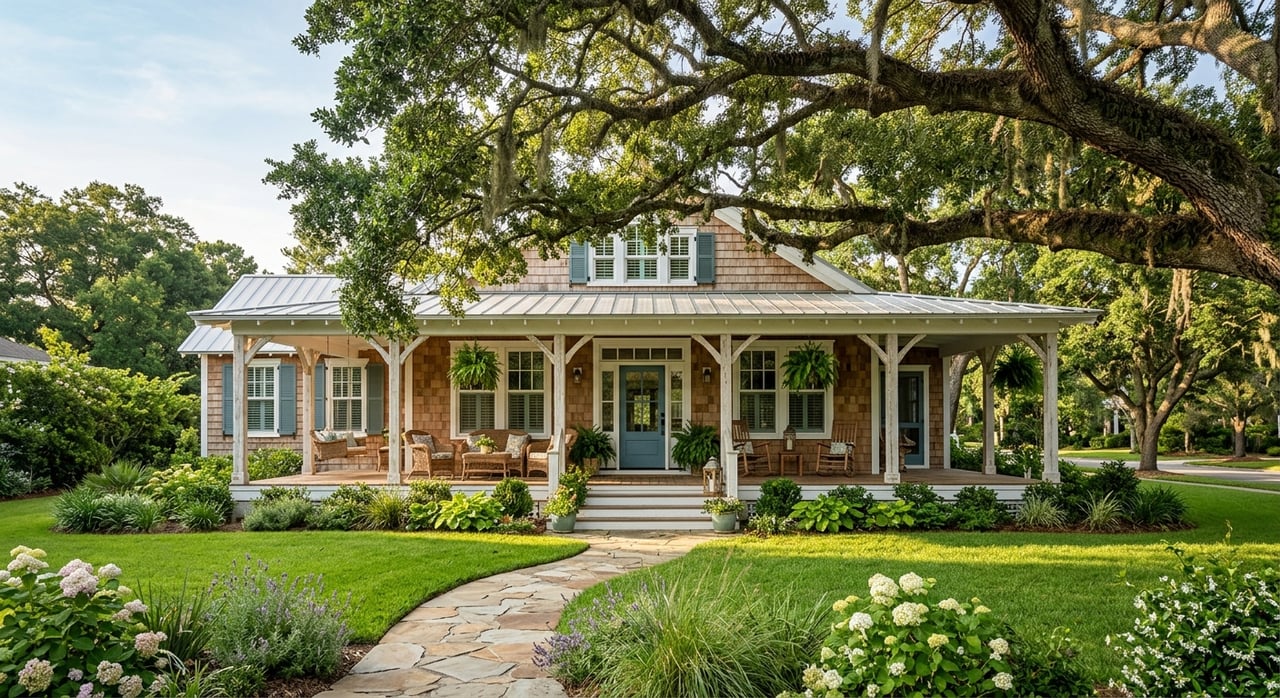
Looking for downtown Charleston access without giving up a quieter, more residential pace? Wagener Terrace offers a rare balance: historic homes, leafy streets, river-adjacent views, and one of the city’s largest parks right next door. If you are trying to figure out whether this area fits your lifestyle, this guide will walk you through what makes Hampton Park and Wagener Terrace feel so livable. Let’s dive in.
Why Wagener Terrace Feels Different
Wagener Terrace sits on Charleston’s peninsula, just north of Hampton Park. According to the City of Charleston and the Wagener Terrace Neighborhood Association, the neighborhood is framed by the Ashley River, The Citadel, Rutledge Avenue, and Sunnyside Avenue. That setting helps explain why the area feels close to downtown while still reading as its own pocket of the peninsula.
Part of the difference comes from the neighborhood’s physical layout. Charleston’s 2024 Area Character Appraisal describes Wagener Terrace as one of the city’s earliest suburbs, with development that took off mainly from the 1920s through the 1940s. Compared with tighter urban blocks elsewhere on the peninsula, the lots here are generally wider, homes tend to sit farther back from the street, and yards and gardens are often visible from the sidewalk.
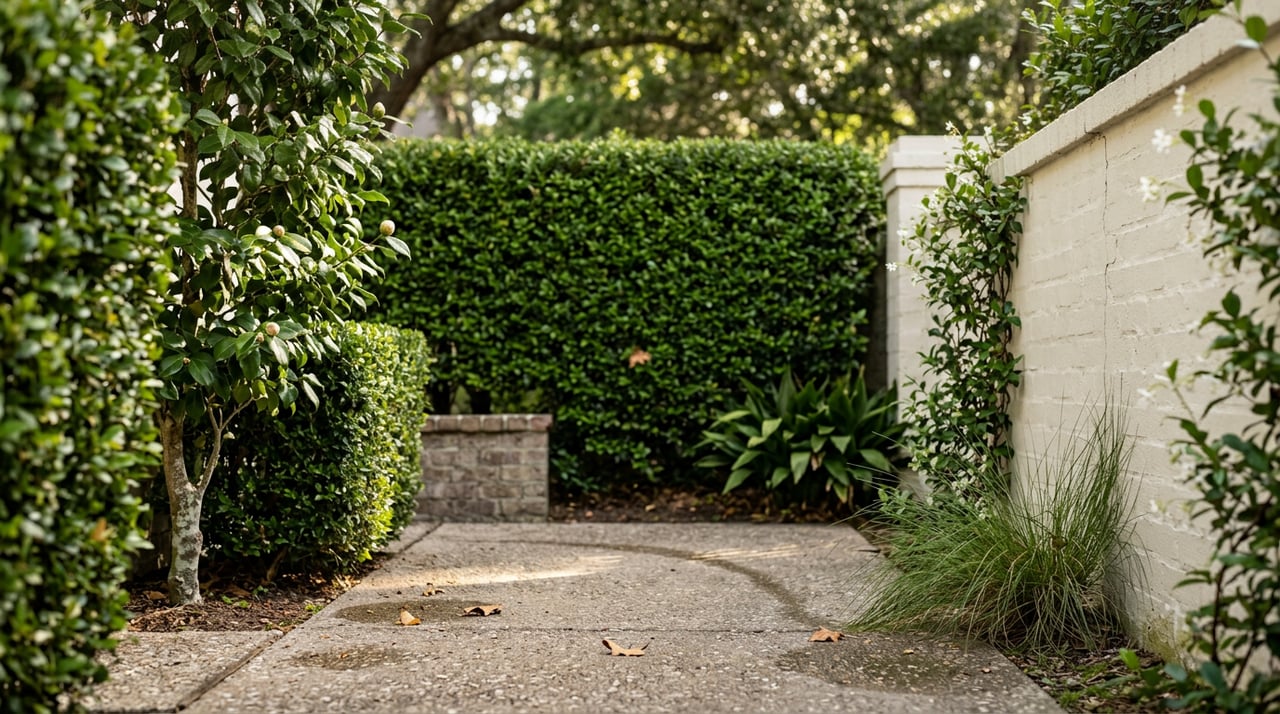
That pattern creates a softer, greener streetscape. The appraisal also notes prominent vegetation, straight front driveways on many properties, and fewer privacy fences, all of which contribute to the open, laid-back feeling many buyers notice right away. If you want downtown proximity with a little more breathing room, that is a big part of the appeal.
Hampton Park Anchors Daily Life
Hampton Park is the neighborhood’s lifestyle centerpiece. The City of Charleston describes it as one of the city’s largest parks, with more than 60 acres that include trails, floral displays, an old rose collection, a lagoon, playground equipment, picnic areas, restrooms, and on-site parking. The park is also open from sunrise to sunset and offers free Wi-Fi.
For many buyers, that level of park access changes how a neighborhood lives day to day. Instead of driving somewhere to get outside, you have a major green space woven into the rhythm of the area. Whether you want an early walk, a casual afternoon outdoors, or a place to unwind at the end of the day, Hampton Park adds a sense of ease that is hard to replicate.
The city also notes that Hampton Park hosts recreation and special events year-round. Its Layers of the Landscape audio walking tour adds another layer of place and history for residents who enjoy learning more about Charleston over time. This is not just open space on a map. It is an active part of the neighborhood experience.
A Park Designed for Movement
Hampton Park also supports a more walkable, active feel around it. Through the city’s Walk, Run & Roll program, vehicles are restricted around the park on Tuesday and Thursday evenings and Saturday mornings. That gives walkers, runners, and cyclists more room and reinforces the park’s role as a community space rather than a traffic corridor.
If you picture your ideal Charleston routine including a coffee in hand, a loop through the park, and easy access back home, this area delivers that rhythm in a natural way. That is a meaningful quality-of-life factor, especially for buyers focused on lifestyle as much as square footage.
Homes in Wagener Terrace Have Character
Wagener Terrace is mostly residential, with commercial activity concentrated along perimeter streets like Rutledge Avenue. That helps the interior blocks maintain a neighborhood feel while still keeping everyday stops nearby. It is one reason the area often appeals to buyers who want convenience without a fully commercial environment.
The housing stock is varied, but it is not random. The city appraisal identifies widespread one-and-a-half-story Craftsman bungalows, especially along Ashley, Rutledge, Darlington, and Gordon. It also notes Minimal Traditional homes along Hester and Clemson, Colonial Revival examples on Sans Souci, Gordon, and Riverside, and ranch houses concentrated closer to the Ashley River on the western side.
That mix matters if you are comparing homes block by block. You are not looking at a neighborhood frozen in one style or one decade. Instead, you will find a blend of historic character, later housing types, and some newer construction, particularly where taller buildings appear.
What Buyers Should Know About Older Homes
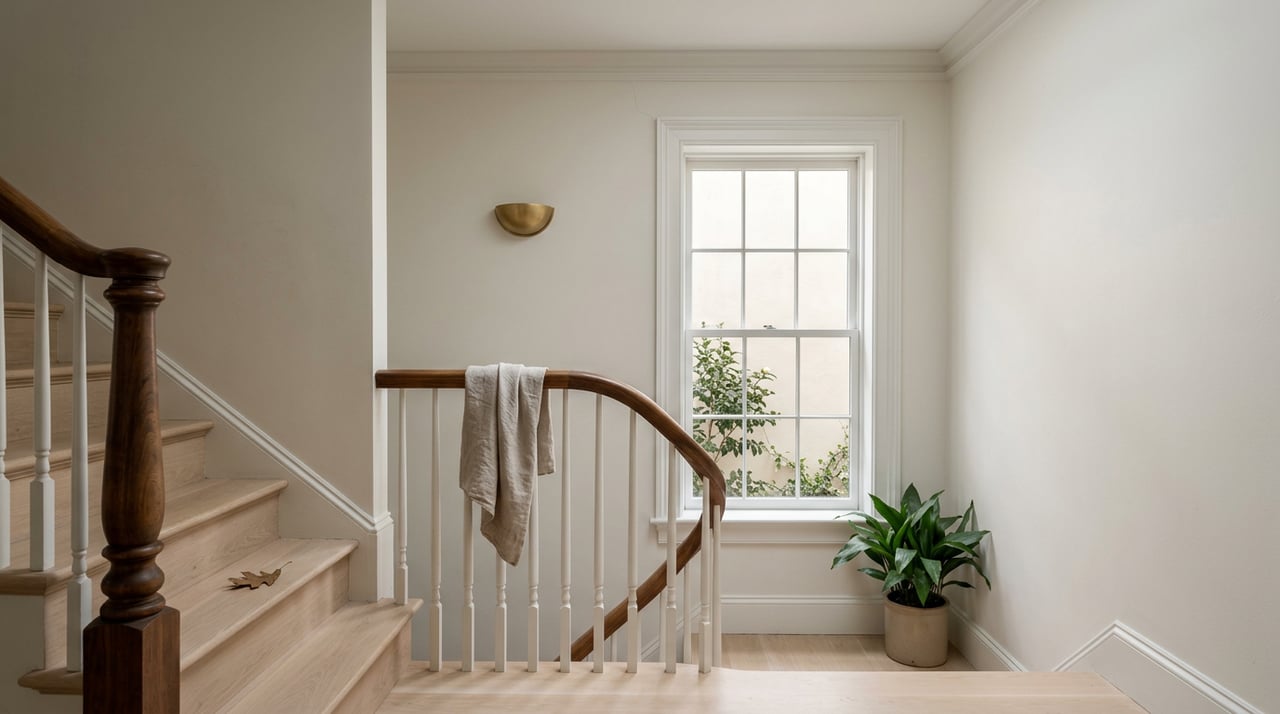
Much of Wagener Terrace’s housing dates from about 1920 to 1940, and the neighborhood developed in earnest after wetlands were infilled. For buyers, that often means charm, architectural detail, and established surroundings. It can also mean paying close attention to condition, update quality, and how a home’s improvements relate to its original design.
The appraisal notes that rear garages or sheds were historically common on single-family properties. You may also notice that one-and-a-half-story homes are especially common here, while two-story or taller structures are often duplexes or newer construction. That context can help you better understand the range of homes you may see as inventory changes.
Renovation Potential Comes With Stewardship
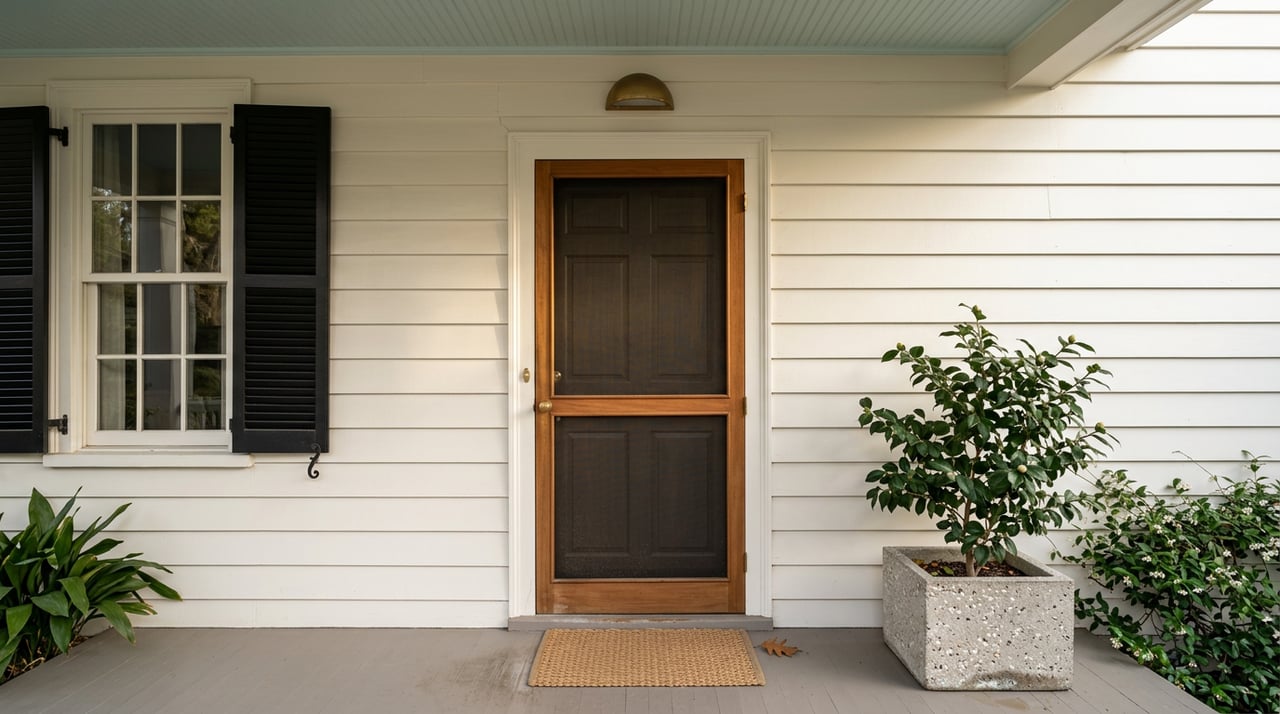
If you are drawn to Wagener Terrace because you love older homes, preservation context matters. Charleston’s appraisal recommends keeping original roof forms and massing, using in-kind repairs when possible, and limiting large additions that are highly visible. It also advises against changes that can disrupt historic character, such as painting historic brick or replacing traditional porch railings with more contemporary versions.
For buyers considering updates, that does not mean a home cannot evolve. It means the best results usually respect the existing architecture and neighborhood setting. In an area like Wagener Terrace, thoughtful renovation tends to add value not just through finishes, but through restraint and design choices that fit the home.
Charleston’s Permit Center and Board of Architectural Review process exterior work and new construction in designated jurisdictions. If renovation is part of your plan, it helps to understand those expectations early. A neighborhood with this much character rewards owners who take a long-view approach.
Everyday Convenience Stays Neighborhood-Scale
One of the most appealing things about this part of Charleston is that convenience feels local rather than oversized. The area around Hampton Park and Rutledge Avenue includes neighborhood-scale places for coffee and casual meals. That supports a lifestyle where your routine can stay simple and close to home.
Examples in the area include Sightsee on Rutledge Avenue across from Hampton Park, Lillian’s Petite Market & Eatery on Congress Street near the park, and The Park Cafe on Rutledge Avenue. Bad Bunnies Coffee on Spring Street is also nearby. Together, they reflect the area’s small-scale dining and coffee pattern rather than a major commercial strip.
For many buyers, that is exactly the draw. You get access to downtown Charleston, but your immediate surroundings still feel residential, relaxed, and easy to navigate. The result is a neighborhood that supports daily habits without overwhelming the streetscape.
Who This Neighborhood Often Fits Best
Wagener Terrace tends to appeal to buyers who want a close-in Charleston location with a calmer tone. Based on its peninsula setting, adjacency to Hampton Park, and lower-intensity commercial pattern, it is a strong fit for people who value short downtown access and a residential environment. You do not have to choose between city convenience and a neighborhood feel as sharply here.
It can also be a smart match if you appreciate older-home character and are comfortable thinking carefully about updates. Because the neighborhood includes a mix of historic housing types and preservation-aware design considerations, buyers who see opportunity in stewardship often connect with it quickly. The charm is real, but so is the value of having a clear plan.
That is where a more integrated real estate approach can help. If you are not only buying, but also thinking about renovation, long-term management, or how a property may function over time, strategy matters as much as location.
Why Local Guidance Matters Here
In a neighborhood like Wagener Terrace, small details carry weight. The block, the park relationship, the home style, the condition of past updates, and the preservation context can all shape your experience and your options. What looks similar online can feel very different in person.
Working with a team that understands Charleston’s design language and the realities of older homes can make your search much more focused. It helps you evaluate not just what a property is today, but what it can become with the right stewardship. That is especially important in neighborhoods where charm and constraints often come together.
If Wagener Terrace feels like your kind of downtown Charleston, the next step is seeing how the neighborhood matches your goals. Whether you are looking for a move-in-ready home or a property with renovation upside, King & Society Real Estate can help you navigate the search with local insight and a design-forward perspective.
FAQs
What is Wagener Terrace like in Charleston, SC?
- Wagener Terrace is a neighborhood on Charleston’s peninsula north of Hampton Park, known for tree-lined streets, visible yards and gardens, a mostly residential feel, and easy access to parks, dining, and shopping.
What makes Hampton Park important to Wagener Terrace?
- Hampton Park serves as a major lifestyle anchor with more than 60 acres of trails, floral displays, a lagoon, playgrounds, picnic areas, restrooms, parking, and year-round recreation.
What types of homes are common in Wagener Terrace?
- The neighborhood includes many one-and-a-half-story Craftsman bungalows, along with Minimal Traditional homes, Colonial Revival examples, ranch houses, duplexes, and some newer construction.
What should buyers know about renovating a Wagener Terrace home?
- Buyers should know that preservation-minded updates matter here, and exterior work or new construction in designated areas may go through Charleston’s Permit Center and Board of Architectural Review process.
Is Wagener Terrace a good fit for buyers who want downtown access?
- Wagener Terrace often suits buyers who want to stay close to downtown Charleston while enjoying a more residential setting with strong park access and neighborhood-scale dining and coffee spots.
What kind of daily lifestyle does Hampton Park support in Charleston?
- Hampton Park supports an active daily routine with walking paths, open green space, and vehicle restrictions during certain Walk, Run & Roll hours that give more room to walkers, runners, and cyclists.