If you want a beach house that feels like your retreat and works as a rental, the details matter more than most buyers expect. On Isle of Palms and Sullivan’s Island, flood risk, permitting, occupancy rules, parking, and design review can shape everything from your floor plan to your closing checklist. This guide will help you think through the practical side of planning a dual-purpose home so you can buy with more clarity and fewer surprises. Let’s dive in.
Why dual-purpose planning matters
A dual-purpose beach home has to do two jobs well. It needs to feel comfortable and easy for you as an owner, while also supporting guests, turnover, storage, and local compliance.
On Isle of Palms and Sullivan’s Island, that balancing act starts early. These are low-lying barrier islands, and local rules around flood hazards, rentals, and exterior changes are not side issues. They are part of the purchase decision itself.
Start with flood risk first
Before you fall in love with finishes or a view, look at flood exposure. Sullivan’s Island says the entire island is within a Special Flood Hazard Area, and Isle of Palms says most property is at definite flood risk and that properties are either in or very near a flood plain because of the island’s low elevation.
That means flood zone, elevation, and insurance should be part of your first-round screening. FEMA’s Flood Map Service Center is the official public source for flood-hazard maps, but local building departments also play an important role in confirming what a future project may require.
Isle of Palms flood standards
On Isle of Palms, the city participates in the National Flood Insurance Program and says new construction and substantial improvements must meet current flood-zone standards. The city also states that VE-zone plans require architect or engineer stamps plus a V-zone certification.
The city code requires a minimum finished floor elevation of at least 14 feet above mean sea level for new construction. For many buyers, that affects not only cost, but also stairs, under-home use, storage placement, and how the home functions day to day.
Sullivan’s Island flood reality
On Sullivan’s Island, the town states that the whole island is in a Special Flood Hazard Area. The town also maintains elevation certificates for new and substantially improved structures, and the Building Official can do free site visits to help identify flood problem areas and mitigation ideas.
That can be especially useful if you are comparing older homes, teardown opportunities, or properties with planned additions. On this island, flood planning should influence how you think about layout, drainage, and finish choices from the beginning.
Permits can affect your timeline
If your plan includes renovations before personal use or before a rental season, timing matters. Buyers often focus on the purchase timeline and underestimate how long the next phase may take.
On Isle of Palms, permit review for new residential construction may take 4 to 6 weeks and typically requires stamped drawings, a survey site plan, elevations, and a septic permit if applicable. If you hope to close and quickly improve the property, that review period should be part of your plan.
On Sullivan’s Island, a building or development permit may be required for a wide range of work. The town says that can include additions, repairs, remodeling, fences, excavation, filling, bulkheading, and similar site work.
Design review on Sullivan’s Island
For some Sullivan’s Island properties, exterior design is not just a preference. It is regulated.
The town has a Design Review Board for new construction and renovations in commercial and residential districts. Its historic-preservation materials also note local historic districts and design guidelines for historic resources, infill, and additions. If you are buying with renovation in mind, ask early whether the property falls within a historic district or another review area.
Rental rules should shape the floor plan
A beach house that rents well is not just about bedroom count. Local rental rules can influence how you plan guest access, storage, parking, and owner use.
Isle of Palms rental basics
On Isle of Palms, all property owners who rent residential units for any length of time must obtain a short-term rental business license. The city defines a short-term rental as a dwelling leased or otherwise made available for three months or less.
Occupancy rules are specific. Typical maximum overnight occupancy is two people per bedroom plus two, capped at 12, and total occupancy at any time may not exceed twice the overnight occupancy or 40 people, whichever is less.
The city also says single-family homes must be offered in their entirety, not as private rooms or shared rooms. If you are thinking about a partial-rental setup, that rule matters immediately.
The city requires a 24/7 contact number, and the owner’s representative must be able to be on site within one hour. It also allows owners of short-term rentals to apply for up to four portable parking permits per calendar year when off-street parking is not adequate.
Sullivan’s Island rental basics
On Sullivan’s Island, vacation rentals require a Certificate of Zoning Compliance and a Vacation Rental Business License. The ordinance also requires a 24/7 contact person, tenant and vehicle registration, off-street parking for all vehicles, watercraft, and trailers used by tenants, a written lease, and a minimum stay of three continuous nights.
Occupancy is tighter than on Isle of Palms. The rules allow no more than two occupants per 120 square feet of bedroom area, no more than 12 occupants total, and no more than 24 people on the property at any time.
The ordinance also prohibits weddings, parties, or other social events where more than 24 people would gather. For buyers who want a house that can host larger personal events, that is an important distinction.
Another major point is continuity of rental use. The Vacation Rental Business License and Certificate of Zoning Compliance may not be transferred, and if a property is not used as a vacation rental for 12 consecutive months, the rental use is deemed abandoned.
Smart design choices for owner use and guests
Once you understand the rules, the most successful dual-purpose homes tend to share a few practical design moves. These are not luxury extras. On the islands, they often make ownership easier.
Prioritize storage and separation
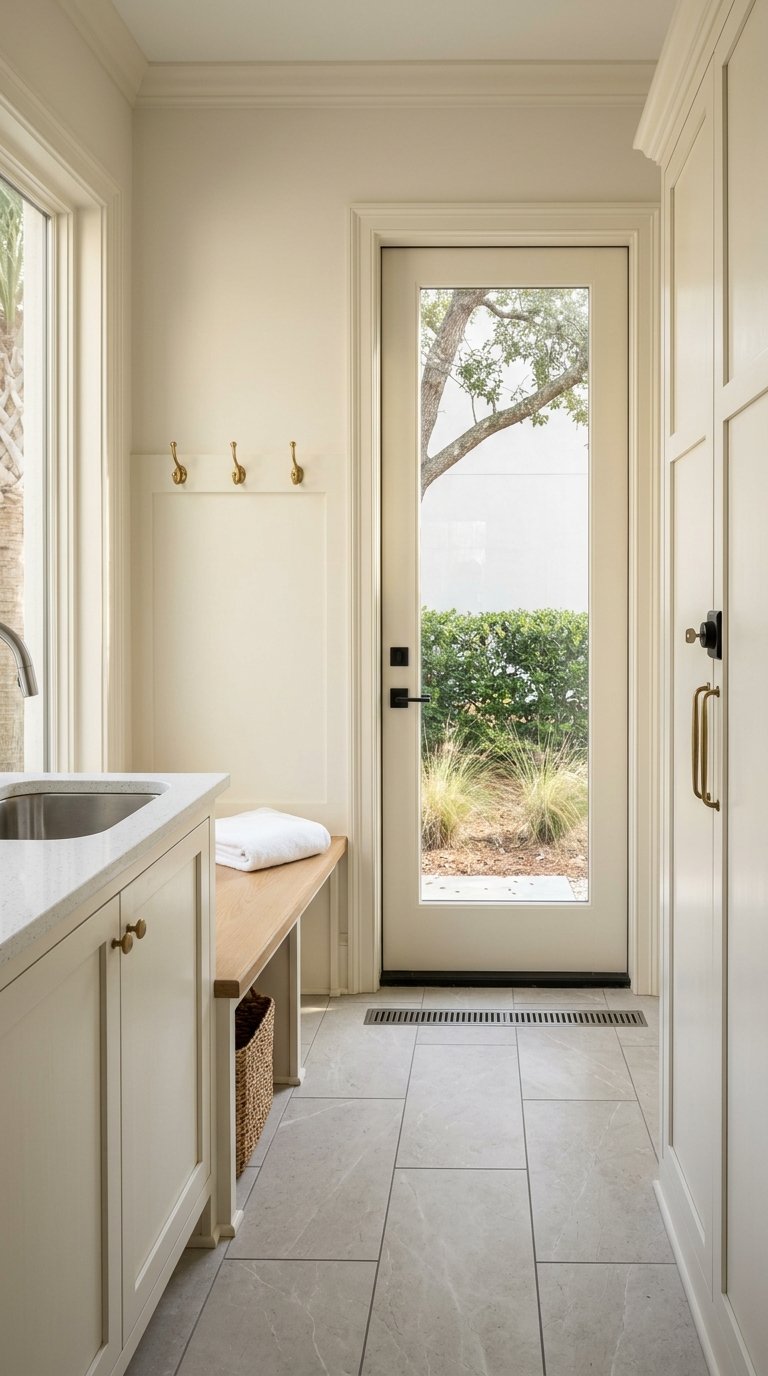
A practical floor plan usually benefits from a clear separation between owner storage and guest circulation. In real life, that often means a lockable owner closet, a secure garage or storage room for beach gear, and an obvious drop zone near the entry.
That setup helps when the home is rented as a whole, supports faster turnovers, and reduces clutter. It also gives you a place to keep personal items without relying on temporary solutions.
Plan for on-site beach gear storage
Beach storage is a real planning issue. Isle of Palms prohibits overnight storage of beach equipment on the beach, and both islands regulate beach and public-space use.
A home that can neatly store chairs, umbrellas, carts, and coolers on-site is simply easier to own and manage. Under-home space, enclosed storage, and outdoor rinse areas can make a meaningful difference in day-to-day use.
Choose durable outdoor living materials
Outdoor spaces work hard in a coastal setting. Salt air, sand, wind, and guest use all add wear.
That is why outdoor living areas should be designed for durability, not only appearance. Non-breakable serving pieces, low-maintenance furniture, and practical outdoor showers tend to make more sense than delicate materials that look great for one season and age poorly after that.
Build resilience into finishes
Flood resilience should influence your finish selections. Isle of Palms says materials below design flood elevation must be class 4 or 5 flood-resistant, and the city emphasizes elevation above the base flood elevation as the most effective way to avoid flood damage.
On either island, think about where belongings, systems, and high-value materials are placed. Floor materials, mechanical placement, and drainage planning all play into long-term ownership costs and hassle.
Parking and operations matter more than you think
Many beach-house headaches are operational, not architectural. Parking, guest arrival flow, trash handling, and quick local response all affect whether a property feels easy to own.
On Isle of Palms, the one-hour on-site response requirement and rules around occupancy and parking should inform how you think about management. On Sullivan’s Island, off-street parking for tenant vehicles, watercraft, and trailers is part of the ordinance, so site layout matters.
If a home looks great on paper but struggles with parking or turnover flow, it may be less flexible than it first appears. A dual-purpose property should support smooth use, not just attractive marketing photos.
Tax and licensing details to review
If rental income is part of your ownership plan, make sure you understand the local licensing and tax structure before closing.
On Isle of Palms, the city’s rental page lists the tax burden for residential rentals of 30 days or less as 14% total, including state, county, and city components. The same page says rental license fees are based on gross income and are due by April 30.
On Sullivan’s Island, the general business license is annual and runs from May 1 through April 30. Charleston County says Sullivan’s Island properties follow a separate accommodations-tax application path and are subject to the town or city accommodations fee rate plus the county’s 2% fee.
A due-diligence checklist before you buy
If you are evaluating a home on Isle of Palms or Sullivan’s Island, these are some of the most important questions to answer before closing:
- What is the FEMA flood zone, base flood elevation, and elevation-certificate status?
- Does the property already have the required rental authorization?
- Do the home’s occupancy and parking realities match your intended use?
- On Sullivan’s Island, will your improvements require Design Review Board approval or historic review?
- On Isle of Palms, do your plans fit the city’s flood and permit process?
- Can the property support guest turnover and beach gear storage on-site?
- If rental use matters on Sullivan’s Island, has the property maintained that use without a 12-month lapse?
Choosing the right island for your goals
Both islands can work for a dual-purpose home, but they may suit different ownership styles. Isle of Palms may appeal to buyers who want a whole-home rental framework with clearly defined occupancy rules and a structure built around active short-term rental use.
Sullivan’s Island may appeal to buyers who value a more tightly regulated rental environment and who are comfortable planning carefully around occupancy, minimum stay rules, parking, and possible design review. In both locations, the best outcome usually comes from matching the property to your actual ownership goals, not trying to force a house into a use pattern that the site or rules do not support.
A well-planned beach home should feel effortless once you own it. That usually starts with asking the right questions before you buy, then making design and management decisions that fit the realities of the island.
If you want help evaluating a property, planning renovations, or creating a beach home that works beautifully for both personal use and rental strategy, King & Society Real Estate can help you navigate the process from acquisition to design to management.
FAQs
What should I check first when buying a dual-purpose home on Isle of Palms or Sullivan’s Island?
- Start with flood zone, elevation, insurance implications, rental eligibility, parking, and whether planned improvements will require permits or design review.
Can you rent part of a single-family home on Isle of Palms?
- No. Isle of Palms states that single-family homes must be rented in their entirety, not as private rooms or shared rooms.
What is the minimum guest stay for a Sullivan’s Island vacation rental?
- Sullivan’s Island requires a minimum stay of three continuous nights for vacation rentals.
How many guests can stay at a vacation rental on Isle of Palms?
- Isle of Palms says typical maximum overnight occupancy is two people per bedroom plus two, capped at 12, with total occupancy at any time limited to twice the overnight occupancy or 40 people, whichever is less.
How many people can be on a Sullivan’s Island rental property at one time?
- Sullivan’s Island allows no more than 24 people on the property at any time, with no more than 12 occupants and no large social events over that limit.
Why does storage matter in a beach home on these islands?
- Storage matters because Isle of Palms prohibits overnight beach equipment storage on the beach, and practical on-site storage helps owners and guests manage chairs, umbrellas, carts, and other gear more easily.