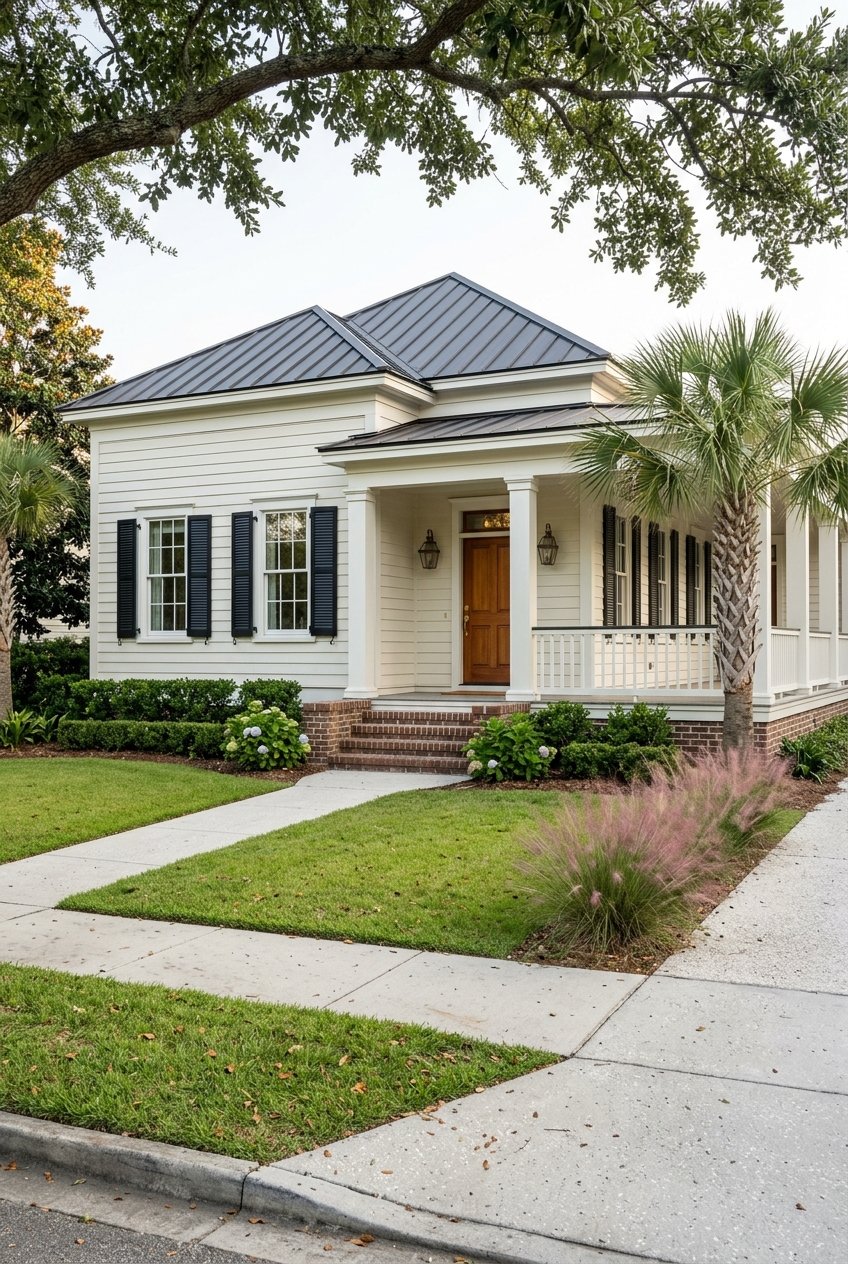
Trying to choose between South Mount Pleasant and Downtown Charleston? If you are moving within the Charleston area or relocating to the Lowcountry, this decision often comes down to how you want everyday life to feel. One offers a more coastal, convenience-driven rhythm, while the other puts you in the middle of a walkable historic peninsula. This guide will help you compare price, housing style, walkability, commuting, and day-to-day lifestyle so you can decide which fit feels right for you. Let’s dive in.
South Mount Pleasant vs Downtown Charleston
When people compare South Mount Pleasant to Downtown Charleston, they are really comparing two very different ways of living close to the same urban core. For market-data purposes, South Mount Pleasant is best understood as Lower Mount Pleasant, which the Town of Mount Pleasant defines as the area south of Highway 41, including the Old Village Historic District, Shem Creek, and the Coleman Boulevard and Highway 17 corridor. You can see that framework on the Town of Mount Pleasant economic development page.
Downtown Charleston centers on the peninsula, with King Street, the Old and Historic District, and many of the city’s best-known cultural, dining, and shopping destinations. In simple terms, the choice often comes down to this: do you want a more walkable, historic, urban lifestyle, or do you want coastal access and suburban convenience while staying close to the peninsula?
Housing Costs and Home Types
Your budget will likely shape this decision early. According to the 2025 Charleston Trident MLS annual report, Lower Mount Pleasant had a median sales price of $986,000, while Downtown Charleston reached $1,257,500. That puts Downtown about $271,500 higher, or roughly 27.5% more than Lower Mount Pleasant.
The mix of homes also looks different in each area. The same MLS report shows that Downtown Charleston had a much larger share of townhouse and condo sales at 49.3%, compared with 27.2% in Lower Mount Pleasant. If you want attached housing, lock-and-leave convenience, or a historic condo or townhome setting, Downtown gives you more of those options.
South Mount Pleasant tends to offer a broader suburban mix, with fewer attached homes and a slightly greater share of new construction. In the 2025 data, new-construction sales were 4.0% in Lower Mount Pleasant versus 2.7% in Downtown Charleston. That does not make South Mount Pleasant a new-build market, but it can give you a bit more flexibility if you want a home with newer systems or less maintenance.
Historic Character and Preservation
If architecture and sense of place matter to you, both areas bring something special. Downtown Charleston is more preservation-heavy overall, especially within the Old and Historic District, where the city’s Board of Architectural Review oversees certain exterior changes and demolitions. That structure helps preserve the character many buyers love, but it can also affect what changes are possible over time.
Downtown also has a more formal parking structure to manage demand. The city’s residential parking program covers much of downtown and issues more than 8,000 permits annually, which tells you something important about daily life on the peninsula: parking is part of the equation.
South Mount Pleasant has its own historic texture, though it feels less concentrated. The town notes that the Old Village Historic District was added to the National Register of Historic Places in 1973, and Shem Creek remains tied to the area’s waterfront and shrimping heritage. If you want a location that still feels rooted in local history but with a more relaxed, less urban setup, South Mount Pleasant may strike the balance you want.
Walkability and Daily Convenience
This is one of the clearest differences between the two areas. Downtown Charleston wins on walkability by a wide margin. King Street has a Walk Score of 99, which reflects just how easy it is to reach shops, restaurants, and daily stops on foot.
The city also supports that walkable lifestyle with DASH shuttle service, which runs across the peninsula from the Aquarium to Broad Street and Waterfront Park. The city’s King Street profile describes the area as the region’s shopping and dining hub, and the Maritime Center highlights how close the market, hotels, Waterfront Park, and shopping areas are to one another.
South Mount Pleasant is more car-oriented overall, but it is not without pockets of convenience. While Mount Pleasant’s citywide Walk Score is 22, some 29464 locations score much higher, including 525 Mathis Ferry Road at 68 and Chuck Dawley Boulevard at 51, according to Walk Score data for Mount Pleasant. That means your exact address can make a big difference.
In practical terms, South Mount Pleasant tends to offer easier access to everyday errands by car, with a few pockets where walking is realistic for dining or quick trips. Two major convenience anchors are Mount Pleasant Towne Centre, an open-air center with more than 65 stores and restaurants, and Shem Creek, where the town has invested in pedestrian access and waterfront restaurant connectivity.
Commute, Transit, and Parking
If you expect to drive regularly between Mount Pleasant and Charleston, the baseline trip is manageable. Travelmath estimates a typical driving time of about 16 minutes from Mount Pleasant to Charleston, though anyone local knows traffic patterns can shape that experience.
The broader commuting picture matters too. The Town of Mount Pleasant notes that Highway 41 is a key corridor linking US 17 communities to Mount Pleasant and I-526, and related improvements remain a top priority. The town’s economic-development analysis also found that 74% of Mount Pleasant workers commute elsewhere in the region, and 29% of workers living in Mount Pleasant commute to the Charleston Peninsula, the Neck, or Daniel Island.
Transit exists in both areas, but Downtown Charleston gets more day-to-day benefit from it. CARTA Route 40 connects Mt Pleasant Towne Centre, Town Hall, and the Charleston Visitor Center, while Route 41 serves Wando Crossing, Shem Creek, Waterfront Park, the College of Charleston Athletic Complex, and the Charleston Visitor Center. Once you are downtown, the free DASH shuttle can make car-light living much easier.
Parking is where daily life often feels different. In Downtown Charleston, parking is simply more limited and more structured, especially in residential permit areas. In South Mount Pleasant, parking is usually less of a daily stress point, which can be appealing if you want easier in-and-out access for work, errands, or beach days.
Lifestyle Fit by Buyer Type
For many buyers, this choice is less about which area is better and more about which one matches your routine.
Choose Downtown Charleston if you want walkability
Downtown may fit you best if you want to step outside and be close to restaurants, shops, and cultural activity without relying on your car as much. It is especially appealing if you value historic architecture, attached housing options, and a more urban pace.
You may also prefer Downtown if a lock-and-leave property is high on your list. With a larger share of condo and townhouse inventory, it can suit buyers looking for a second home, a part-time residence, or a home base near the center of Charleston life.
Choose South Mount Pleasant if you want convenience
South Mount Pleasant may be the better fit if you want to stay close to Charleston while keeping a more suburban day-to-day rhythm. You still get quick access to the peninsula, plus easy connections to retail corridors, Shem Creek, and the beaches.
This area can also feel more practical if your routine involves frequent driving, regular errands, or a preference for less parking pressure. If you want coastal character and access without being in the middle of downtown activity every day, South Mount Pleasant often feels like a strong middle ground.
A Quick Side-by-Side Comparison
| Feature | South Mount Pleasant | Downtown Charleston |
|---|---|---|
| 2025 Median Sales Price | $986,000 | $1,257,500 |
| Housing Mix | More detached homes, fewer condos/townhomes | More condos and townhomes |
| Walkability | Car-oriented with some walkable pockets | Highly walkable, especially near King Street |
| Daily Feel | Coastal, convenient, suburban-leaning | Historic, urban, activity-rich |
| Transit Experience | CARTA access, but more limited for daily use | CARTA plus free DASH service |
| Parking | Generally easier | More limited and permit-driven |
| Historic Character | Old Village and Shem Creek heritage | Strong preservation focus in core districts |
How to Make the Right Choice
If you are torn between these two areas, start with your daily habits instead of your dream image. Ask yourself where you want to grab coffee, how often you want to drive, what type of home feels easiest to maintain, and how much your budget needs to stretch.
It also helps to think beyond the purchase itself. If you are buying a home that may need updates, or you want guidance on renovation, design, or long-term management, having the right local partner can make the process feel much smoother. In a market like Charleston, where architecture, preservation, and lifestyle all shape value, local insight matters.
Whether you are drawn to the energy of the peninsula or the coastal ease of South Mount Pleasant, the best choice is the one that supports the way you actually want to live. If you are ready to compare homes, neighborhoods, or renovation potential in either area, King & Society Real Estate can help you navigate the options with a local, design-forward perspective.
FAQs
What is the price difference between South Mount Pleasant and Downtown Charleston?
- Based on 2025 CTARMLS data, Downtown Charleston had a median sales price of $1,257,500 and Lower Mount Pleasant had a median sales price of $986,000, making Downtown about $271,500 higher.
Is Downtown Charleston more walkable than South Mount Pleasant?
- Yes. King Street in Downtown Charleston has a Walk Score of 99, while Mount Pleasant overall is much more car-oriented, though some South Mount Pleasant locations have moderate walkability.
Does South Mount Pleasant include Old Village and Shem Creek?
- Yes. For market-data purposes, South Mount Pleasant is best treated as Lower Mount Pleasant, which includes the Old Village Historic District, Shem Creek, and the Coleman Boulevard and Highway 17 corridor.
Are there more condos in Downtown Charleston than South Mount Pleasant?
- Yes. The 2025 CTARMLS report shows townhouse and condo sales made up 49.3% of Downtown Charleston sales compared with 27.2% in Lower Mount Pleasant.
Is parking easier in South Mount Pleasant or Downtown Charleston?
- Parking is generally easier in South Mount Pleasant, while much of Downtown Charleston operates under a residential parking permit system and has more limited parking overall.
Which area is better for a car-light lifestyle in Charleston?
- Downtown Charleston is typically the better fit for a car-light lifestyle because it combines strong walkability with CARTA access and free DASH shuttle service across the peninsula.