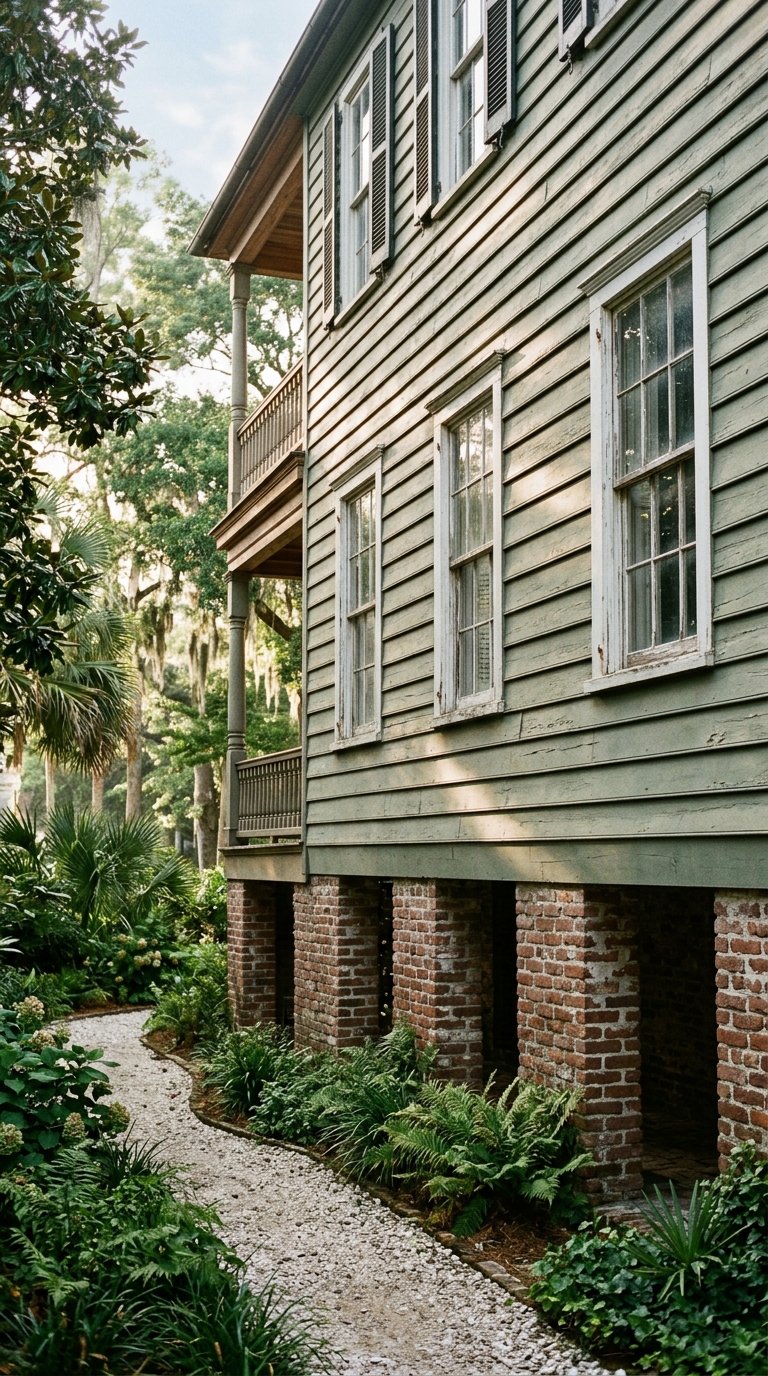
Buying an older home in Wagener Terrace or Hampton Park can feel exciting and intimidating at the same time. You may see original charm, great streetscapes, and real renovation potential, but you also need to know what you are truly taking on before you close. This guide will help you understand the housing stock, approvals, flood and moisture risks, and renovation choices that tend to make sense in these two Charleston neighborhoods. Let’s dive in.
Know the Housing Stock First
Before you price a renovation, it helps to understand what these neighborhoods were built to be.
In Wagener Terrace, most development started in the 1920s and continued over roughly 30 years. According to the City of Charleston’s area character appraisal, the neighborhood has a gridded street pattern, wider lots than many south-peninsula areas, and homes that often sit with deep front setbacks.
That same city appraisal notes that Craftsman bungalows are common on Ashley, Rutledge, Darlington, and Gordon, while Minimal Traditional homes appear along Hester and Clemson. You will also find Colonial Revival homes on streets like Sans Souci, Gordon, and Riverside. This matters because a renovation plan that fits one block may not fit another.
Hampton Park Terrace has a slightly different feel. The National Register nomination says the subdivision was laid out between 1911 and 1913, and by 1922 nearly 200 houses had already been built.
Most contributing homes there date from about 1910 to 1945, with many built between 1914 and 1922. The district includes Prairie, Foursquare, Colonial Revival, Craftsman, and Bungalow styles. For you as a buyer, that means the architectural language is established, and renovations usually work best when they respect that original pattern.
Verify Zoning Before You Budget
One of the biggest mistakes buyers make is assuming zoning is simple. In Charleston, it is not.
The city says its zoning ordinance includes 48 base zoning districts, 14 overlay districts, 22 Old City height districts, and 4 neighborhood districts. Because zoning is parcel-specific, the city directs property owners and buyers to the Interactive Zoning Map and also offers a no-cost Zoning Verification Letter for official parcel status.
That means your first step should be to verify the exact zoning for the property you want to buy. If you are thinking about an addition, an accessory dwelling unit, or a change in footprint, you want those facts early, not after inspections and pricing are already underway.
Understand BAR and Other Reviews
In these neighborhoods, design review can directly affect cost, timing, and scope.
Charleston’s Board of Architectural Review reviews new construction, alterations, and renovations visible from the public right-of-way in historic districts. The city also notes that streetscapes, setbacks, lot size, footprint, roof form, porches, chimneys, windows, doors, and fences can all affect review.
For buyers in Wagener Terrace, this matters even more because the neighborhood is specifically identified in the city’s Historic Materials Demolition Purview materials. Even if a project seems straightforward, review requirements may shape what you can keep, replace, or expand.
Larger renovations may also trigger Site Plan Review. The city says site plan approval is required for renovation or construction adding 2,000 square feet or more, for new buildings over 500 square feet, and for certain multi-unit outcomes on a single lot.
If you are considering a backyard structure, it is also important to know that accessory dwelling units are allowed as a conditional use in all base zoning districts, but they still require an application process. In other words, possible does not always mean simple.
National Register Is Not the Same as Local Review
This is an important distinction for buyers comparing homes in historic areas.
The South Carolina Department of Archives and History explains that National Register listing is not the same as a local preservation overlay. Private owners of National Register properties are generally free to maintain or manage their property as they choose unless federal or certain state permitting is involved.
At the same time, some historic properties may be eligible for incentives, and income-producing historic buildings can qualify for federal and state rehabilitation credits when the project is substantial, the building is historic, and the work is compatible with the building’s historic character. If you are buying with an investment or mixed-use strategy in mind, this is a detail worth exploring early.
Put Flood Risk at the Top of Your List
In this part of Charleston, flood and drainage are not side issues. They need to be part of your acquisition plan from day one.
The city says that work in the Special Flood Hazard Area requires a permit. It also states that if reconstruction, rehabilitation, additions, or other improvements reach 50 percent of a structure’s value, the building must meet current floodplain requirements.
Charleston also enforces Coastal A Zone rules, and as of January 1, 2024, slab-on-grade foundations are prohibited for single-family homes in the 100-year floodplain. Before you commit to a renovation budget, confirm the parcel’s flood zone through the city or FEMA resources referenced by Charleston’s floodplain guidance.
This is especially relevant in Wagener Terrace. In June 2024, Charleston reported that Peachtree-area residents had experienced stormwater back-up and overflow issues, and the city identified outfall cleaning work as part of its active drainage efforts.
That does not mean every home is a problem. It does mean you should treat drainage history, elevation implications, and floodplain compliance as real line items in your due diligence.
Inspect Moisture and Termites Early
In older Charleston homes, water often causes the most expensive surprises.
The National Park Service’s Preservation Brief on moisture in historic buildings recommends checking for drainage problems around the site, roof leaks, poor ventilation, and signs that water is collecting near or under the foundation. In many historic homes, the real issue is not one dramatic failure. It is years of unmanaged moisture.
Crawl spaces, roof runoff, gutters, grading, and hidden plumbing leaks should all be part of your inspection focus. If moisture has been allowed to linger, wood deterioration and related repairs can expand quickly.
That same NPS guidance, along with Clemson recommendations cited in the research, supports a simple rule: solve water first. Cosmetic upgrades can wait. Moisture control cannot.
Termites are closely connected to that same risk pattern. Clemson notes that termites are most destructive to moist or decayed wood and often show up where there are structural or plumbing leaks. Prevention depends on ventilation, drainage, reducing wood-to-soil contact, and keeping gutters and site conditions in good order.
Do Not Ignore the Yard
A pretty yard can hide a house problem.
Clemson’s guidance on foundation plantings recommends keeping plantings low and away from the structure, grading soil so water moves away from the house, and keeping mulch at least 12 inches from the foundation. In Charleston’s humid climate, dense plantings pressed tight against the house can trap moisture and reduce airflow.
For you as a buyer, that means landscaping is part of the inspection story. The right exterior setup can help protect a historic home, while the wrong one can contribute to moisture and termite problems over time.
Renovate for Fit, Not Just Finish
The best resale strategy in Wagener Terrace and Hampton Park is usually not to make an old house feel brand new. It is to improve it in a way that still feels right for the block.
The Wagener Terrace area character appraisal warns that replacing original brick, siding, windows, porches, or chimneys with out-of-kind materials can erode neighborhood character. That is an important reminder that value here is often tied to authenticity.
Charleston’s BAR University guidance also explains that additions and alterations are judged in context. The city looks at setbacks, lot sizes, footprints, architectural types, typical height, roofs, porches, columns, chimneys, siding, windows, doors, shutters, and fences.
In practical terms, that often means a smart renovation follows a few basic principles:
- Keep the front of the house intact when possible
- Place added square footage at the rear or less-visible side
- Make additions subordinate and compatible with the original structure
- Preserve character-defining materials and details where feasible
- Let the house still read like it belongs on that street
This approach can also help your resale position. Buyers in these neighborhoods are often drawn to original scale, proportion, and architectural character, not just updated kitchens and baths.
Key Questions to Ask Before You Close
If you are comparing renovation candidates, use this checklist to keep your due diligence focused:
- What is the parcel’s flood zone, and would the planned work trigger floodplain permitting or substantial-improvement review?
- Does the scope require BAR review, demolition purview review, site-plan review, or an ADU application?
- Is the existing footprint already nonconforming, which could lead to setback or lot-size relief requests?
- What do inspections show in the crawl space, around plumbing, and at the roof line?
- Could the rehab cross the 50 percent threshold that triggers current floodplain standards?
These questions are especially useful because older lots in Wagener Terrace and Hampton Park can come with constraints that are easy to miss during a quick showing. The right house can still be a strong opportunity, but it pays to understand the approval path and physical condition before you set your budget.
A Smarter Renovation Strategy
In both Wagener Terrace and Hampton Park, the strongest projects are usually careful rehabs, not total reinventions. The homes that tend to hold appeal are the ones that keep their scale, address water and drainage issues first, and preserve the details that make the neighborhood feel like Charleston.
If you are considering a purchase with renovation potential, having the right local team matters. A design-forward plan is important, but so is knowing how zoning, review, floodplain rules, and historic context can affect the real cost of ownership. If you want guidance on finding and evaluating the right opportunity, connect with King & Society Real Estate to start your Charleston home journey.
FAQs
What styles are common in Wagener Terrace homes?
- Wagener Terrace includes Craftsman bungalows, Minimal Traditional homes, and Colonial Revival examples, with styles often clustering by street according to the city’s area character appraisal.
What styles are common in Hampton Park Terrace homes?
- Hampton Park Terrace includes Prairie, Foursquare, Colonial Revival, Craftsman, and Bungalow homes, with much of the historic housing stock built between 1914 and 1922.
What approvals might a renovation need in Wagener Terrace or Hampton Park?
- Depending on the parcel and scope, your project may require zoning verification, Board of Architectural Review review, Historic Materials Demolition Purview review, Site Plan Review, or an ADU application.
Why is flood risk important when buying in Wagener Terrace?
- Flood zone status can affect permitting, construction methods, renovation costs, and whether a project must comply with current floodplain standards if improvements reach 50 percent of the structure’s value.
What should buyers inspect first in older Charleston homes?
- Moisture-related issues should be a top priority, including crawl spaces, roof leaks, drainage, gutters, grading, plumbing leaks, ventilation, and any conditions that could contribute to wood damage or termites.
How should you approach additions on historic homes in Hampton Park or Wagener Terrace?
- In general, additions work best when they are placed at the rear or less-visible side, remain subordinate to the original house, and stay compatible with the home’s scale, materials, and surrounding streetscape.